Adani Power plans to double coal capacity to 38 GW despite climate and community concerns
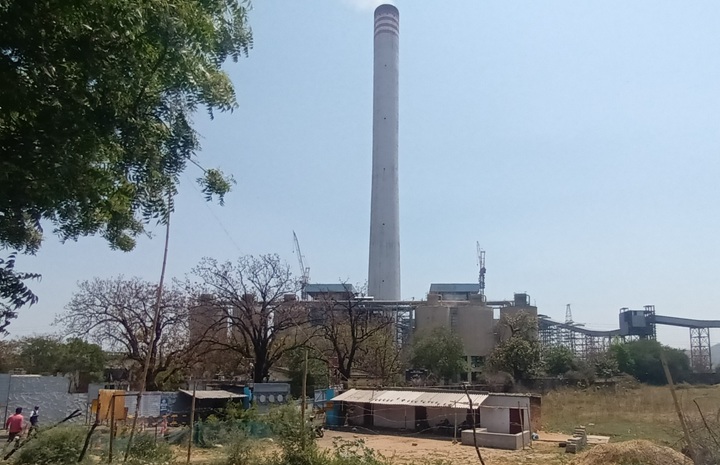
Adani Power is embarking on a massive expansion that will nearly double its coal-fired electricity generation capacity to 37.83 gigawatts (GW) in the coming years, according to an analysis by Adani Watch. The expansion, spread across 15 coal power projects in India, will lock in decades of coal extraction and combustion, significantly worsening air pollution and carbon emissions.
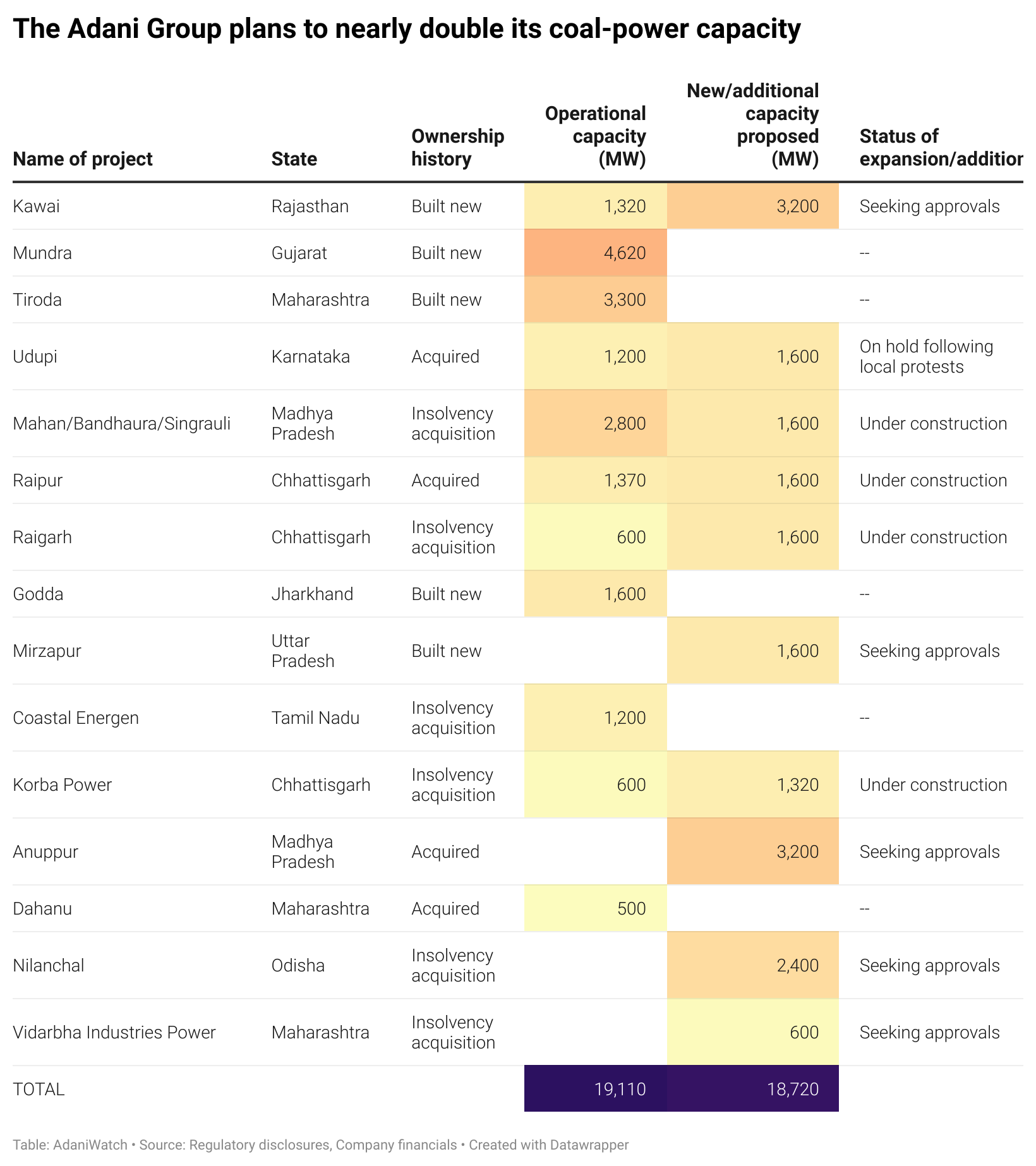
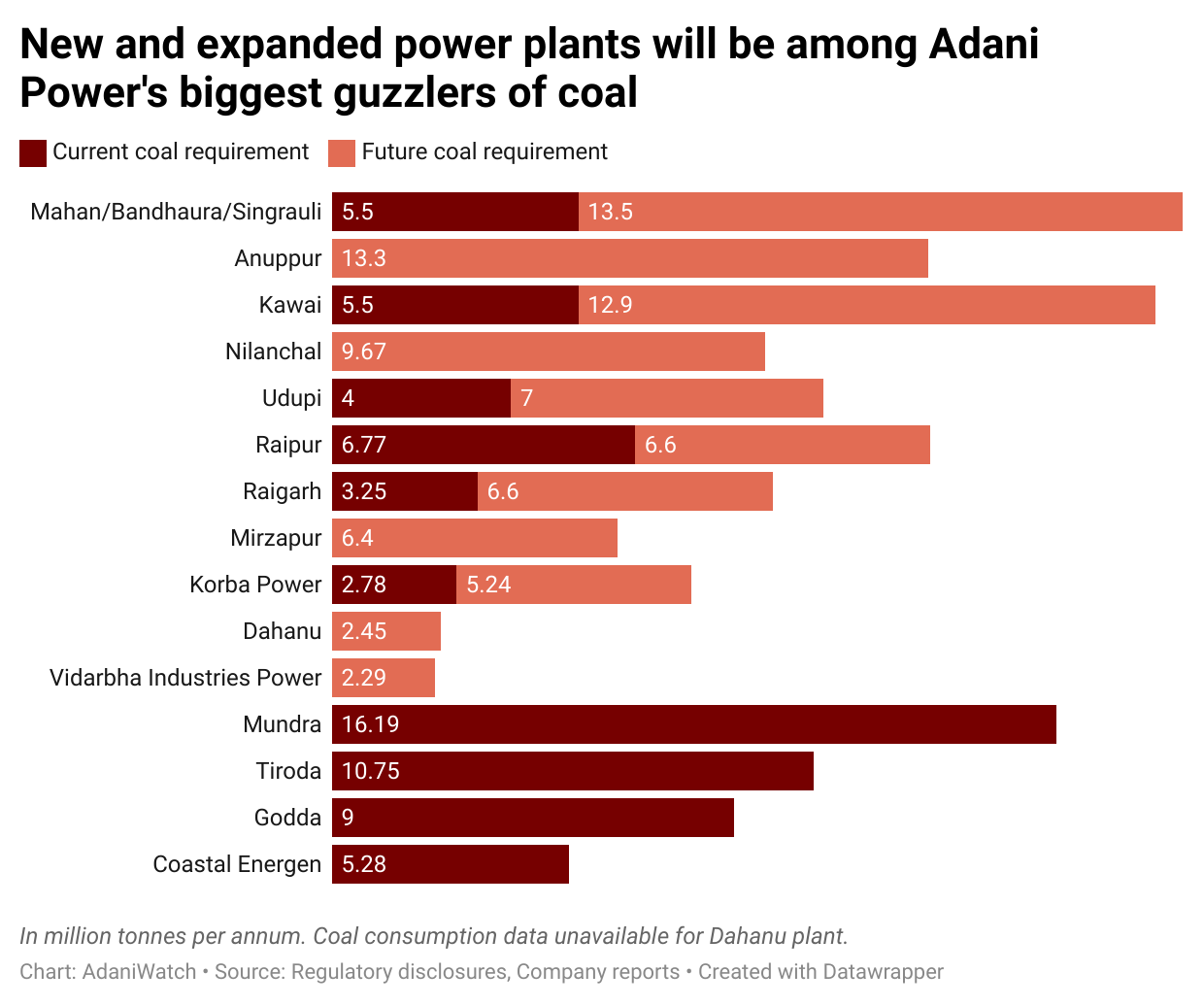
The analysis, based on Adani Power's financial statements and disclosures to Indian environmental regulators, shows the company's total capacity will far exceed its publicly stated target of 30.67 GW. The expansion will require burning an additional 83.5 million tonnes of coal per year, bringing Adani's total annual coal consumption to 155 million tonnes.
Once complete, Adani Power's coal plants are projected to emit roughly 200 million tonnes of carbon dioxide annually, calculated using India's average plant load factor of 70 per cent and the emission rate of 0.9 million tonnes of CO₂ per billion units of electricity produced as of 2022 to 2023.
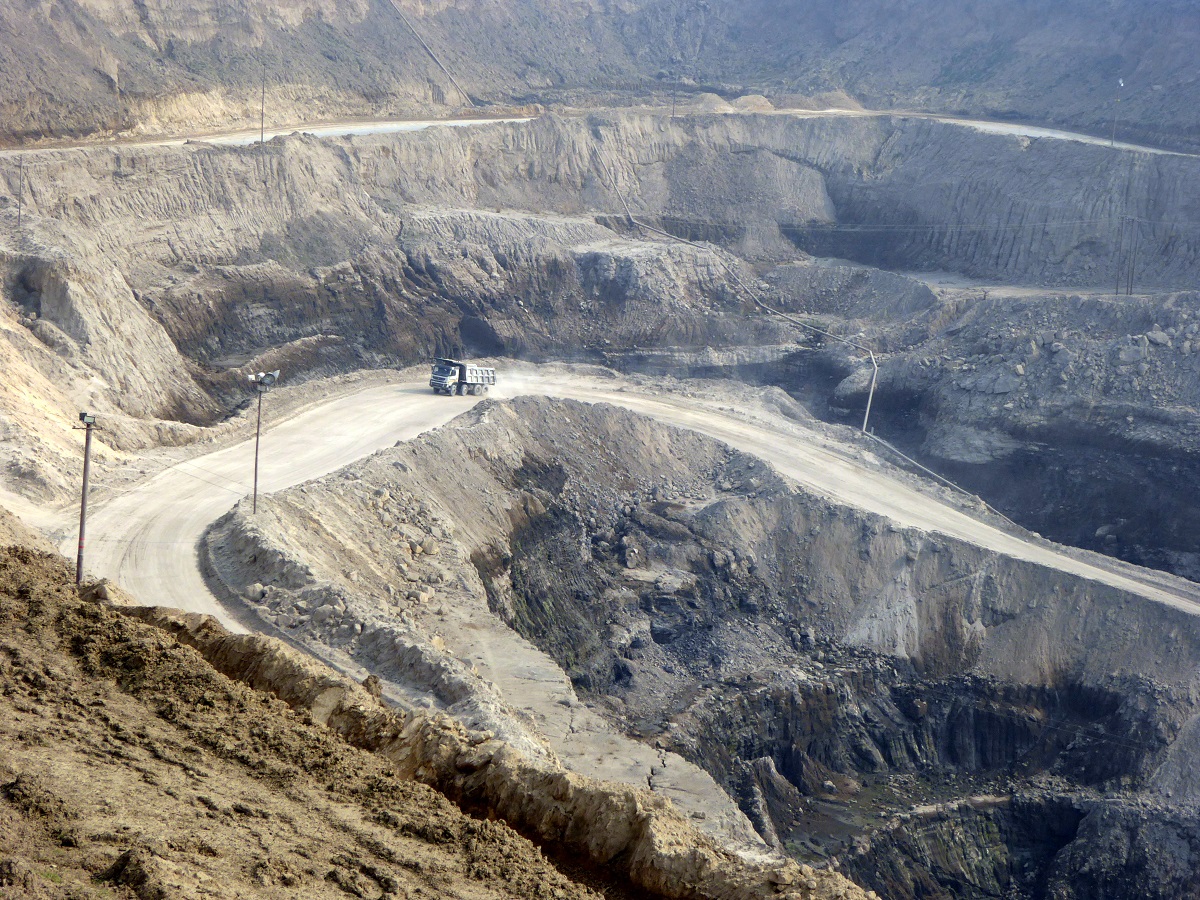
Expansion concentrated in mega plants
The largest capacity additions are planned at the Mahan (also known as Bandhaura and Singrauli), Kawai, and Anuppur plants, each slated for 3.2 GW of new capacity. A further 2.4 GW is planned at the Nilanchal project in Odisha. The Mahan and Kawai projects involve expansions of existing facilities, while Anuppur and Nilanchal would be newly constructed plants.
After the expansions, Adani Power will operate three so-called ultra mega coal power plants with more than 4 GW capacity each, at Mundra, Kawai, and Mahan. These large facilities will account for 80 per cent of the company's total capacity, up from 56 per cent at present.
Concentrating capacity at single locations brings higher local pollution loads from coal combustion and coal dust from transport, though it allows cost savings through economies of scale. The strategy also carries higher risk, as the stalling of a single facility due to protests, court orders, or coal supply shortfalls would have greater impact.
The majority of proposed additions, totalling 13.29 GW, are at facilities Adani Power acquired from other companies, such as those in Singrauli and Udupi. Only 4.8 GW of additions are planned at plants Adani built from scratch. Of the total expansion, 7.52 GW is at facilities acquired from bankrupt power companies under India's 2016 insolvency laws. Including existing capacity at these sites, formerly bankrupt facilities will account for 12.72 GW, nearly one third of Adani Power's post-expansion total.
Despite claims of adopting more efficient supercritical and ultra-supercritical generation technology, the data suggests Adani Power's coal efficiency will not improve. Existing capacity uses about 4,022 tonnes of coal per megawatt of installed capacity, while the additional capacity is expected to use 4,086 tonnes per megawatt.
The expansion has raised financial concerns. Credit rating agencies in India have flagged the 70 per cent increase in Adani Power's debt required to fund the projects, warning that delays or cancellations would pose risks to the company's financial stability.
Local communities bear the burden
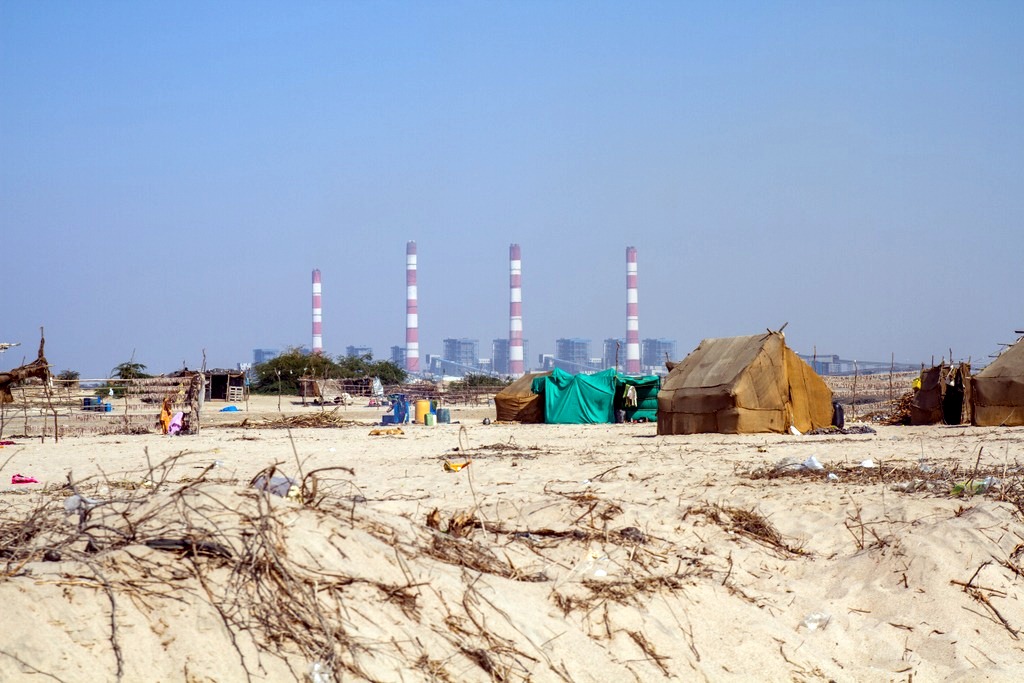
While global concerns focus on climate impact, communities living near the plants face immediate pollution and displacement. Several expansion sites have sparked sustained local opposition.
Udupi, Karnataka
The proposed expansion of Adani's Udupi coal power plant has stalled due to strong community opposition. A survey of 387 families living within 10 kilometres of the plant found 97 per cent opposed the expansion. Residents report land loss, polluted water, and worsening respiratory and skin diseases since the plant's commissioning in the late 1990s. Agricultural families have seen soil and water contamination make rice cultivation more difficult.
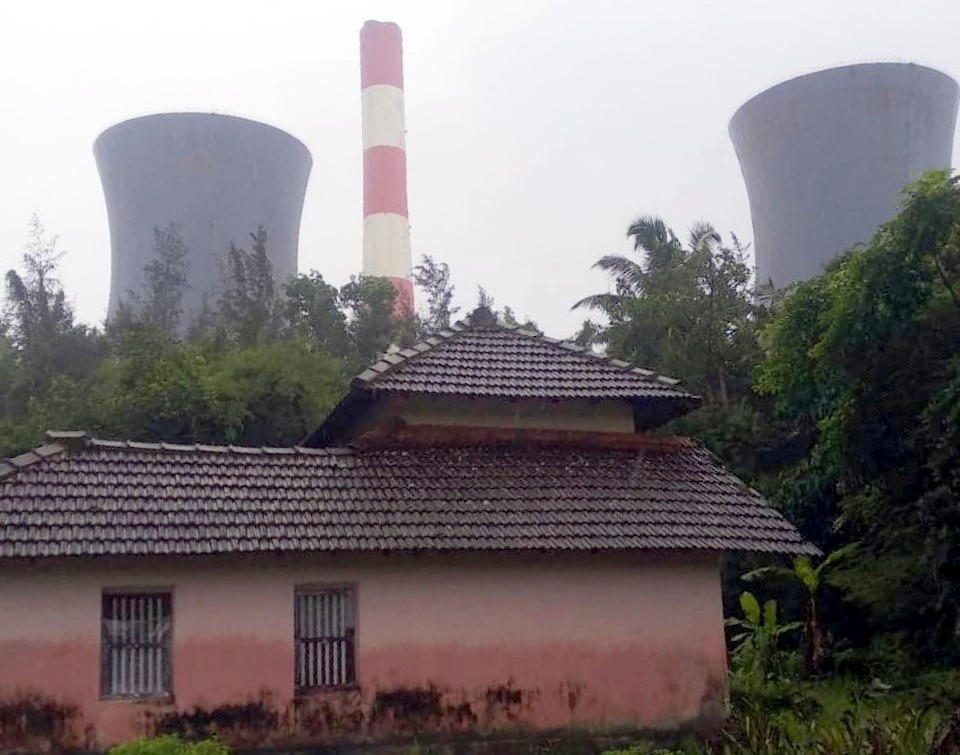
The plant has failed to deliver promised jobs, with over 93 per cent of survey respondents reporting no positive economic impact. The National Green Tribunal has fined the Udupi plant over 6 million US dollars for pollution violations. Coal dust, fly ash, and wastewater discharge have damaged local farming and marine life, with reports of dead crustaceans and dolphins.
Mahan (Bandhaura/Singrauli), Madhya Pradesh
On 14 February 2025, residents near Adani's Mahan coal power plant set fire to several vehicles, including buses and trucks, after two motorcyclists were run over and killed, allegedly by a coal truck. The incident reflected mounting anger over roads congested with coal trucks and inadequate police response.

The Mahan plant is undergoing a major expansion from 1.2 GW to 4.4 GW. The first phase, approved in August 2023, increased capacity to 2.8 GW. A second phase, recommended in January 2025, will add another 1.6 GW. The company has failed to meet several key environmental conditions, including studies of the plant's impacts on local health and ecology.
The expansion will require an additional 13.35 million tonnes of coal annually. Local infrastructure is already strained, with reports of coal dust pollution and environmental degradation on roads used to transport coal.
Raikheda (Raipur), Chhattisgarh
In November 2024, the Indian government approved expansion of Adani's Raikheda coal power plant in Raipur, Chhattisgarh, despite unresolved issues from the original project. Capacity will more than double from 1.37 GW to 2.97 GW, requiring an additional 6.6 million tonnes of coal annually. The 632 million US dollar expansion has sparked local opposition.
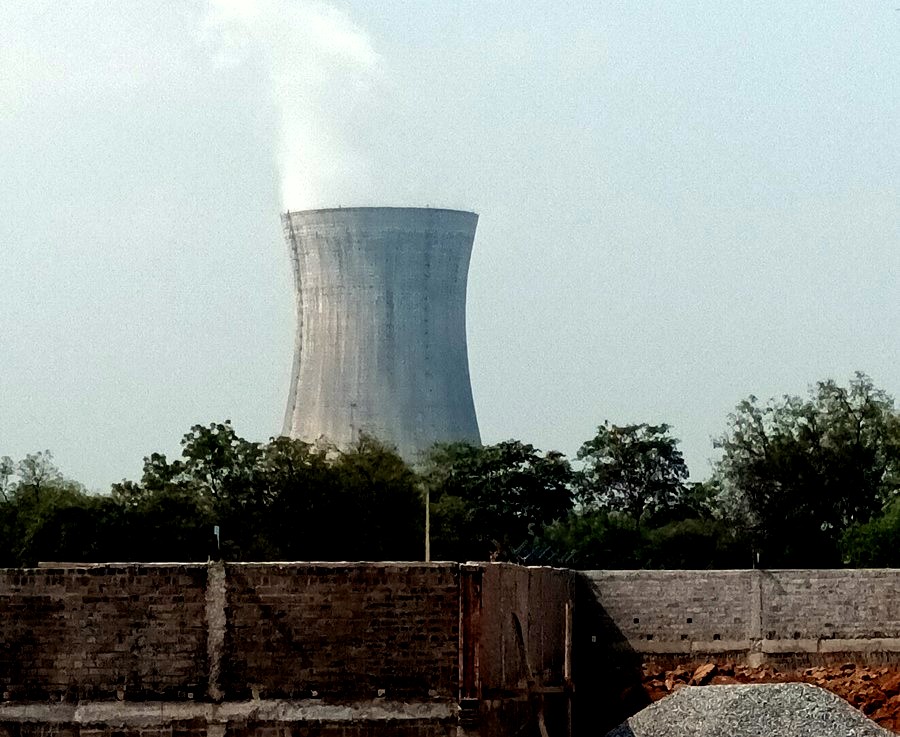
Public hearings in June and August 2024 saw large turnouts of objectors. Political leaders from the Congress and Chhattisgarh Johar parties raised concerns about local youth being sidelined for jobs and about worsening pollution.

Wildlife and forest impacts
Environmental advocates have raised concerns that the massive coal power expansion in central India could impact tiger habitat and other wildlife, including sloth bears, as coal mining and transport infrastructure encroach on forested areas.

The expansion underscores the gap between Adani's public statements on green technologies and its continued commitment to coal. The projects, if completed, will lock in coal extraction and combustion for decades, contradicting India's climate commitments and worsening local environmental and health conditions.