Adani's Toxic Expansion: The Terrifying Reality of Doubling Down on Coal
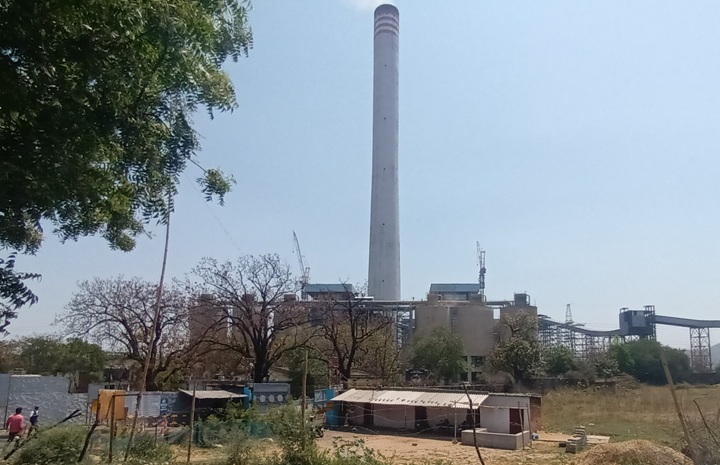
The Adani Group is pushing a catastrophic expansion of its coal operations across India. This massive corporate drive will radically scale up coal mining, worsen toxic local pollution, and accelerate global atmospheric heating.
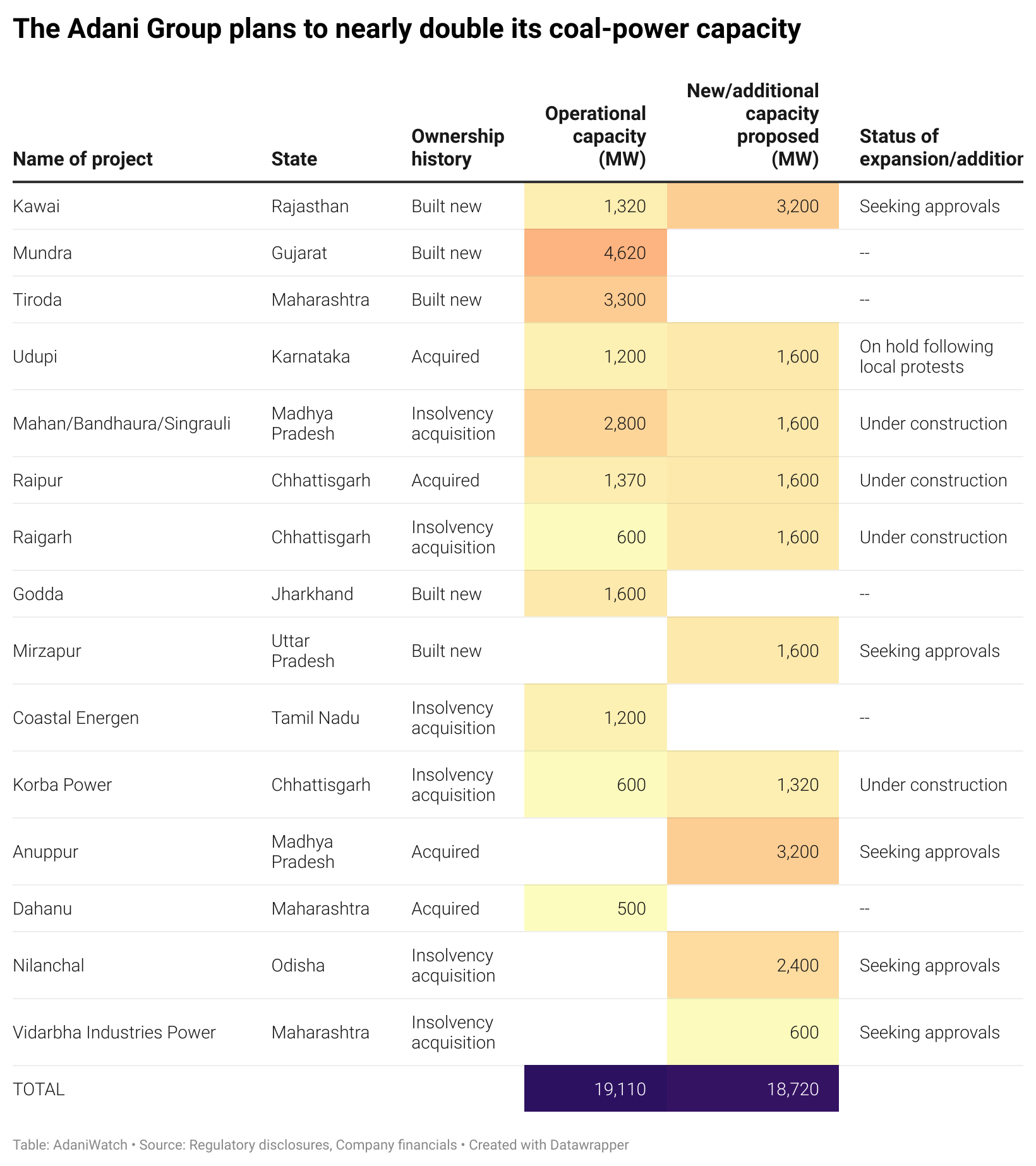
Adani has embarked on an extravaganza that will double its coal-power production in the coming years to a total of nearly 38 GW, according to an exclusive analysis by AdaniWatch. When complete, Adani will burn 155 million tonnes per annum of coal, and its emissions of carbon dioxide from its coal-power stations will exceed 200 million tonnes per annum. Adani is literally doubling down on its status as the world’s biggest private developer of coal.— Adani Watch
This comprehensive investigation details the cumulative, destructive impacts of the 15 coal-fired energy projects currently operated or planned by the Adani Group throughout India.
Drawn directly from Adani Power’s latest financial statements and mandatory environmental clearances submitted to Indian regulators, the figures expose how this power surge relies on doubling the conglomerate's fuel consumption to 155 million tonnes per year. These individual projects are currently in various phases, with some actively under construction and others still waiting for environmental clearance from the central government.
While Adani Power publicly declared a growth target of 30.67 gigawatts as recently as late January 2025, our detailed review of their project pipeline reveals their actual plans are significantly larger, tallying up to 37.83 gigawatts of coal power.
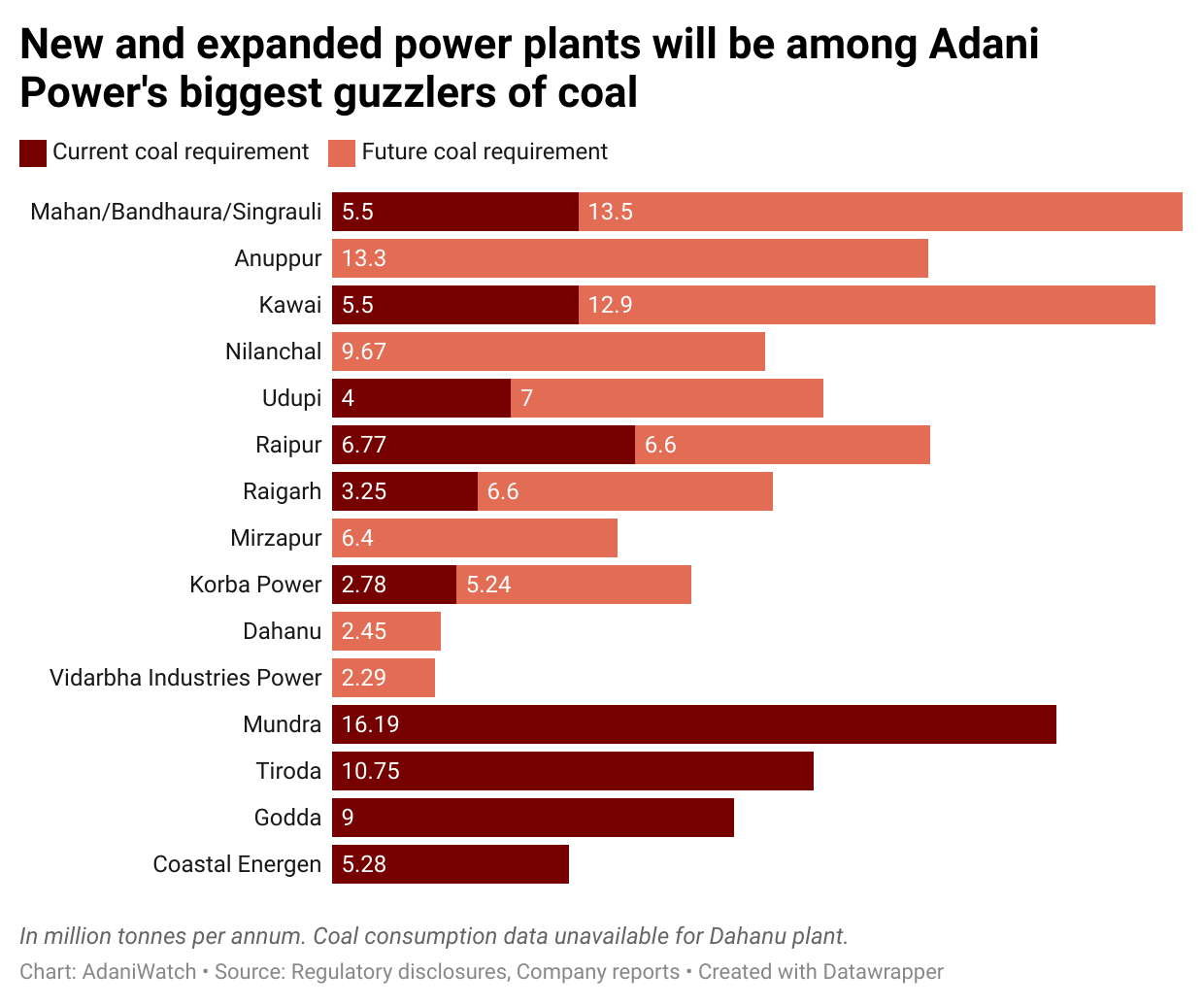
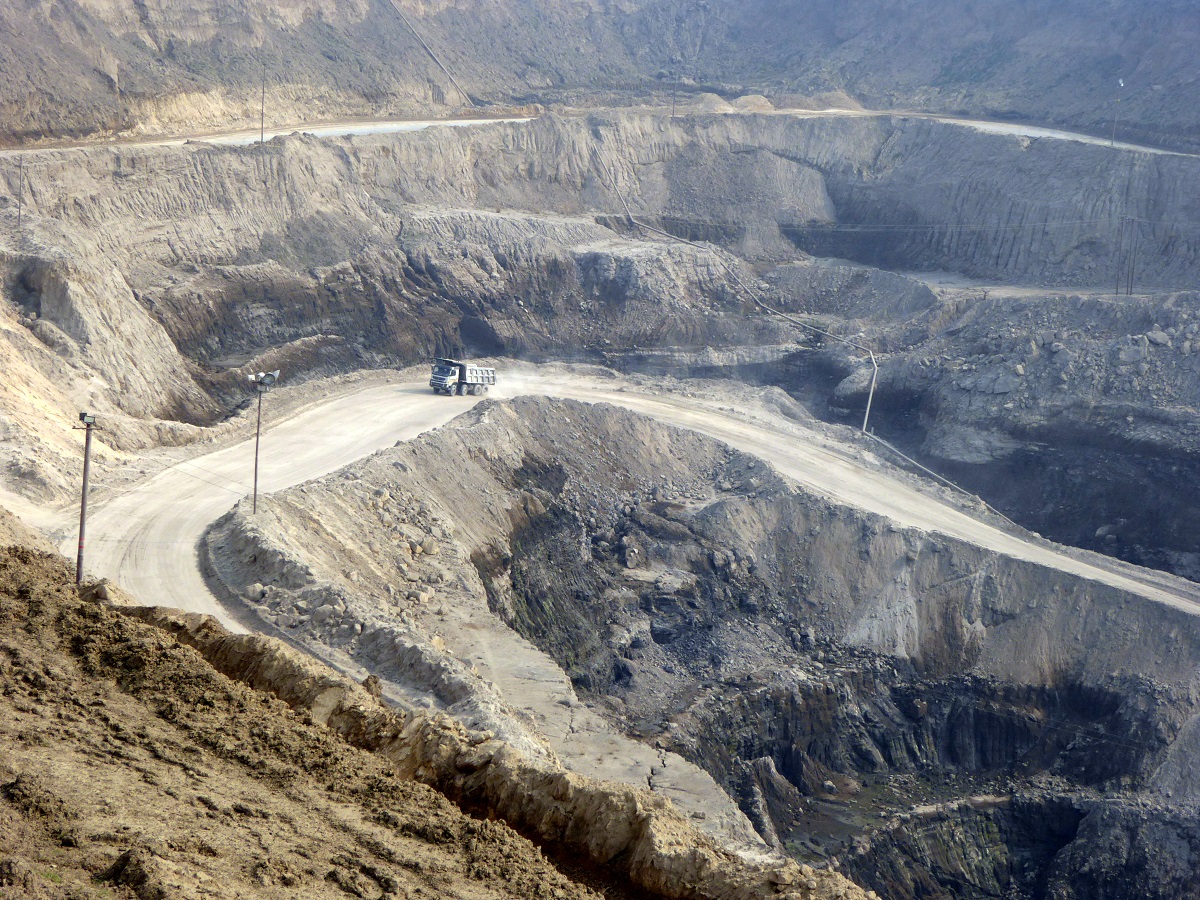
The most direct consequence of this capacity spike is the sheer volume of coal needed. Opening these new units means burning 83.5 million additional tonnes of coal each year, stacked on top of their current yearly utilization of 71.4 million tonnes. This brings the final expected fuel demand to 155 million tonnes annually, a number that closely mirrors Adani’s sister plans to boost its mining output to 151 million tonnes a year. In several of these operations, Adani is contracted as a mining developer to extract coal for state-owned utilities. Consequently, to feed its own private power facilities, Adani must purchase coal from national supplier Coal India Limited or secure imports from overseas.
Should all these power projects hit full operation, Adani's thermal stations will dump approximately 200 million tonnes of greenhouse gases into the atmosphere every year. This estimate is based on the standard emissions profile of India's current coal fleet. The calculation assumes a routine nationwide plant load factor, which is the ratio of actual energy produced to the plant's maximum capacity, of 70 percent, alongside official government data showing that Indian coal plants release about 0.9 million tonnes of carbon dioxide for every billion units of generated electricity.
Despite corporate claims of modernizing, the numbers indicate no real improvement in how efficiently Adani burns coal. A basic calculation reveals that their current operating fleet consumes roughly 4,022 tonnes of coal for every single megawatt of capacity, while the new expansions will actually consume slightly more, at 4,086 tonnes per megawatt. Even though the conglomerate claims it is deploying highly sophisticated "supercritical" and "ultra-supercritical" generators designed to burn fuel cleanly, the regulatory filings demonstrate that their new fleet will actually remain just as coal-heavy, if not slightly more wasteful, than their older plants.
On top of the severe environmental damage, this aggressive expansion is sparking worry among financial analysts, with Adani Power’s debt burden projected to climb by 70 percent to pay for these massive projects. Domestic credit rating agencies have warned that any delays in building these plants or any regulatory blocks could severely threaten the company's financial health. Despite these red flags, the rating agencies maintain that Adani Power still possesses the organizational capacity to push projects forward and bypass local hurdles.
The real-world consequences of this expansion go far beyond mere data points. Building these plants locks in multiple decades of coal extraction and combustion, choking local communities. It also demonstrates how the Adani Group's extensive public relations campaigns promoting green energy are merely a smokescreen to hide a relentless, multi-billion-dollar commitment to dirty coal.
Where the Toxic Expansion Will Strike
The largest scale-ups in the company's plans are concentrated at the Mahan (alternatively named Bandhaura or Singrauli) facility, the Kawai facility, and the Anuppur plant, with each slated for a massive 3.2 gigawatt expansion. The Nilanchal facility in Odisha is also scheduled to receive a brand-new 2.4 gigawatt plant. While the sites at Mahan and Kawai represent massive expansions of pre-existing complexes, the operations at Anuppur and Nilanchal will be built entirely from the ground up on fresh land.
These details show a strategic shift: Adani Power is consolidating its massive power generation into highly concentrated mega-hubs. Currently, the conglomerate operates only one "ultra-mega" coal plant, defined as an installation producing over four gigawatts of power, which is located in coastal Mundra. However, post-expansion, both the Kawai and Mahan facilities will join this ultra-mega tier. If these additions succeed, these gargantuan hubs will make up a staggering 80 percent of the developer's entire power portfolio, up from the current 56 percent.
Packing so much coal-burning power into single locations means that surrounding communities will suffer a catastrophic load of localized toxic pollution, as well as heavy coal dust blowing off the endless streams of trucks and trains supplying the plants. This concentration allows Adani to maximize profits through economies of scale and avoid having to secure land and battle local resistance in new regions. However, this strategy is a double-edged sword: if a single massive hub gets shut down by local protests, court orders, or critical coal supply failures, a massive portion of Adani's entire operations will instantly freeze.
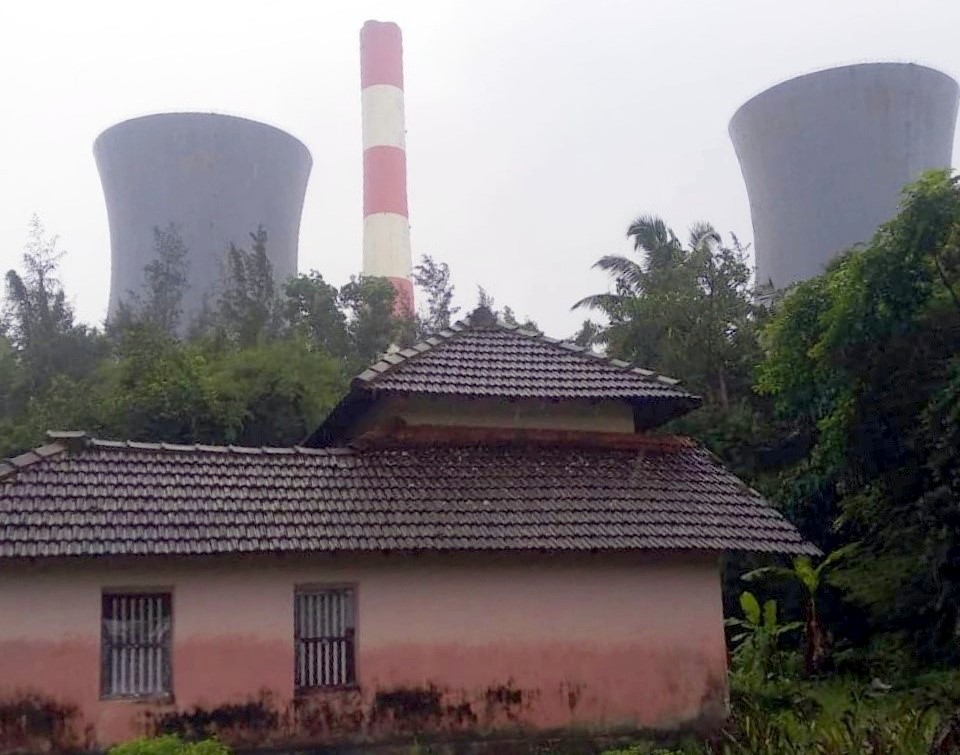
The data also reveals how heavily Adani Power relies on taking over existing projects built by other companies, such as the major operations in Singrauli and Udupi. An overwhelming majority of the planned capacity additions, amounting to 13.29 gigawatts, will be built at these acquired facilities. In contrast, projects that Adani built from the ground up, like Mundra and Kawai, account for only 4.8 gigawatts of the new additions, with the bulk of that centered solely on the Kawai expansion.
This shows that the corporation views pre-existing, acquired facilities as far more lucrative sites for expansion than its own self-built plants. While the company has not publicly explained this choice, the location of these acquired plants offers major clues. They are primarily situated in the coal-rich belts of central and eastern India, where coal infrastructure is already dense. Expanding there is far cheaper and legally easier than in western India, where fuel has to be shipped long distances. Furthermore, these eastern and central hubs are perfectly positioned geographically to receive coal imports shipped over from Adani’s controversial Carmichael mine in Australia.
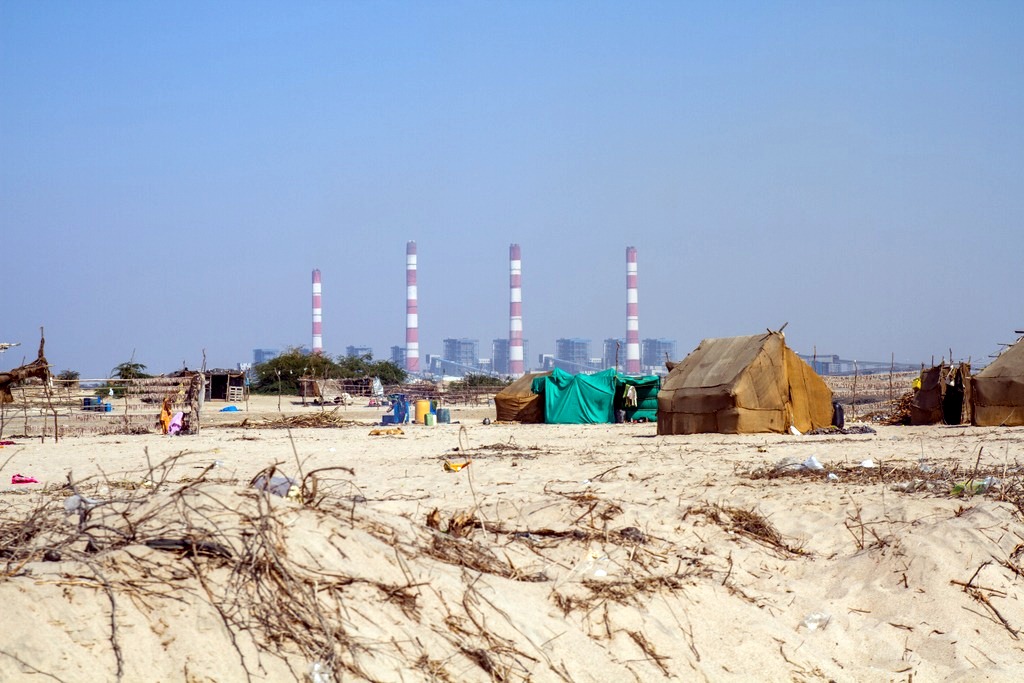
The rapid expansion also shows how corporate-friendly insolvency laws passed by the Modi government in 2016 have worked to Adani's direct benefit. Out of the entire proposed expansion, the largest single slice, 7.52 gigawatts, is being built at plants that Adani bought up from bankrupt power operators. When you include the capacity that was already operating at these bankrupt sites when Adani bought them, these distressed assets account for a massive 12.72 gigawatts, representing nearly one-third of the company's entire projected power fleet.
While the corporate expansion is a disaster for global climate targets, for the communities trapped on the frontlines of these developments, the threat is intimate and immediate. Below is a breakdown of the local resistance and environmental destruction playing out at each individual site.
Udupi Coal-Power Plant (Karnataka)
In coastal Karnataka, the proposed expansion of the Udupi thermal plant has been completely stalled by fierce community resistance. A local survey of 387 families living within a 10-kilometer radius of the plant revealed that an overwhelming 97 percent of residents vehemently oppose any expansion. Since the plant first started operating in the late 1990s, locals have suffered severe land loss, polluted water sources, and a sharp rise in skin and respiratory diseases. Farming families have seen their agricultural yields plummet, with coal pollution ruining local soil and making traditional paddy farming nearly impossible.
Despite grandiose corporate promises of local employment, the massive plant has failed to deliver any meaningful economic progress to the region. More than 93 percent of surveyed residents stated they received absolutely zero benefits, while local unemployment remains high. Though community opposition goes back to the 1980s, local outrage flared up again after Adani bought the plant in 2015 and began pushing for a massive capacity expansion.
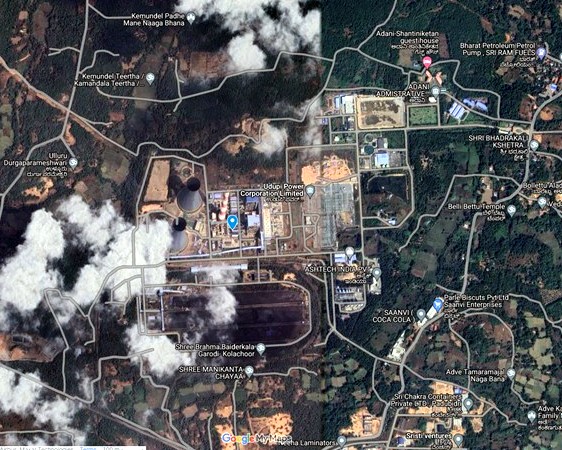
To make matters worse, India's National Green Tribunal slammed the Adani-owned Udupi facility with a massive fine of over 6 million US dollars for severe environmental violations. Toxic discharges, coal dust, fly ash, and wastewater have devastated local farms and ruined marine ecosystems, with devastating reports of dead dolphins and crabs washing up along the coast.
Bandhaura / Mahan / Singrauli Coal-Power Plant (Madhya Pradesh)
On February 14, 2025, years of simmering local rage boiled over near Adani’s Mahan power plant in Madhya Pradesh. Angry residents set fire to several company buses and heavy coal trucks after a massive coal transport truck ran over and killed two local motorcyclists. The tragic crash took place on narrow roads choked with corporate traffic, highlighting the severe safety threats that locals face daily alongside a complete lack of protective policing.
The Mahan plant, run by Adani subsidiary Mahan Energen Limited, is undergoing a massive build-out to explode its capacity from 1.2 gigawatts to 4.4 gigawatts. The first expansion stage, approved by the government in August 2023, increased capacity to 2.8 gigawatts, while a second stage recommended in January 2025 aims to add another 1.6 gigawatts. Shockingly, the corporation has advanced these plans despite completely failing to complete mandatory environmental safety studies, including assessing the plant's long-term impacts on local human health and delicate ecological systems.
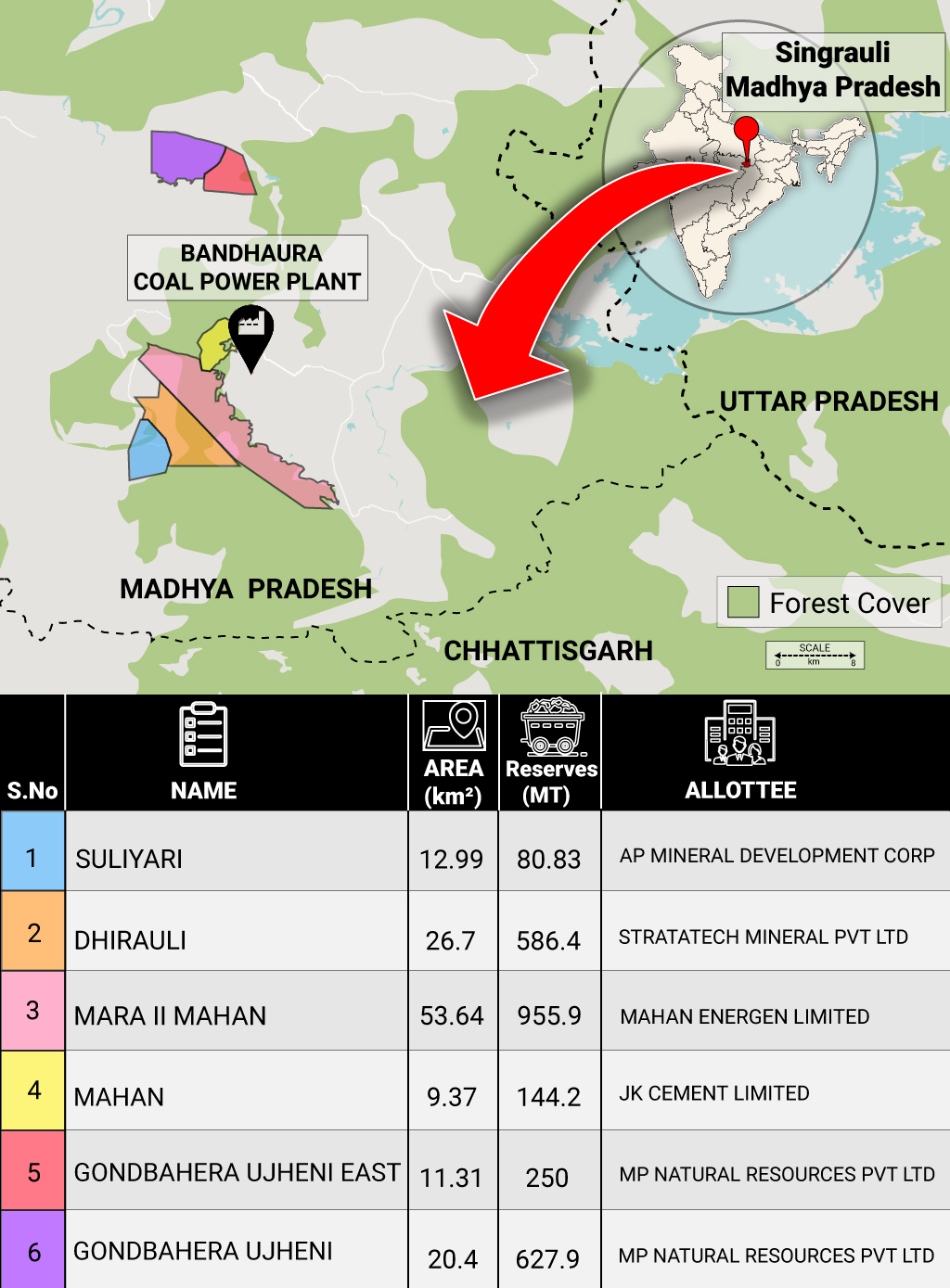
This massive capacity hike will require an extra 13.35 million tonnes of coal to be dragged into the site every year. Local public infrastructure is already buckling under the strain of heavy transport, with dense clouds of toxic coal dust covering nearby crops and villages. Despite this environmental crisis, the expansion proceeds under hollow corporate claims of mitigation, such as installing basic filtration units and using treated sewage water.
Raikheda Coal-Power Plant (Raipur, Chhattisgarh)
On November 1, 2024, the central government greenlit a massive expansion of Adani’s Raikheda thermal plant in Raipur, Chhattisgarh, completely ignoring outstanding environmental violations from its existing operations. The project will more than double the plant's capacity, jumping from 1.37 gigawatts to 2.97 gigawatts, and demanding 6.6 million additional tonnes of coal each year. This expansion, costing 632 million US dollars, has met with intense local anger.

The Raikheda facility, under Adani Power's control since 2019, spans 358 hectares and directly threatens the surrounding villages of Raikheda, Gaitara, and Chicholi. During a public consultation held in June 2024, local residents and political figures raised serious concerns about being shut out of employment, escalating pollution, and a complete lack of corporate transparency, accusing Adani of breaking prior promises made to the community.
Activists point out that the plant burns low-grade coal with excessive ash content, producing highly toxic emissions and failing to install mandatory sulfur dioxide filtering systems. While Adani claims it is resolving these issues via a 6 million US dollar social responsibility fund, local communities continue to report severe employment discrimination and unfair displacement payouts. Adding to the tension, this power generation will be fueled by coal ripped from Adani's highly controversial Gondulpara mining project, which threatens to completely obliterate several local villages.
Raigarh Energy Generation Limited (Raigarh, Chhattisgarh)
The Modi administration stepped in again in late 2024, approving a massive 1.6 billion US dollar scale-up of Adani’s Raigarh power plant in Chhattisgarh, raising its capacity from 0.6 gigawatts to 2.2 gigawatts. Despite massive protests from local communities terrified of toxic fly ash and air pollution, the Ministry of Environment handed over its approval on November 28, 2024. This expansion will more than double the facility's coal demand to 6.6 million tonnes annually, sourced from one of Adani's operations in Odisha.
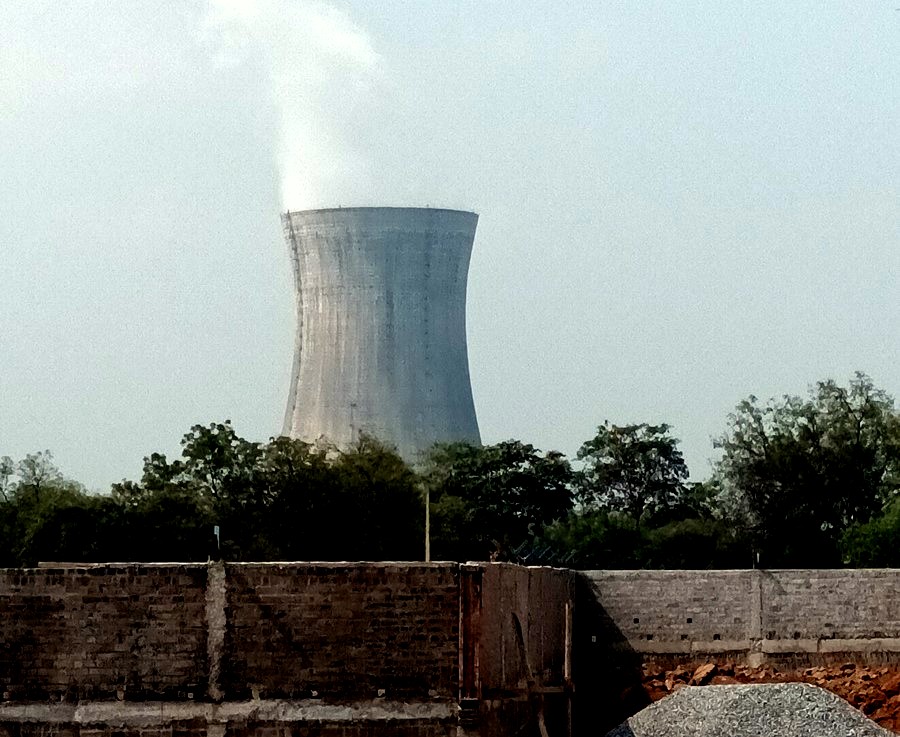
Villagers warn that toxic fly ash, a hazardous residue left over from burning coal, is already being illegally dumped across productive farmland and vital local water resources. Although Adani Power claims it will clean up its historical toxic ash piles and handle future waste responsibly, the environmental impacts of a threefold increase in fly ash generation remain unaddressed. Heavily congested coal transport roads and a complete lack of protective tree lines along shipping routes continue to choke the surrounding region.

Furthermore, the gargantuan expansion threatens local forest wildlife, yet no official animal conservation plan has been approved. Even with these clear failures, the expansion proceeds, with Adani Power pledging a questionable 249 million US dollars for environmental mitigation measures to secure its regulatory permits.
Anuppur Coal-Power Plant (Madhya Pradesh)
In Madhya Pradesh, the Adani Group is pushing to build a brand-new, massive 3.2 gigawatt coal-fired plant in Anuppur, triggering intense alarm over its catastrophic impact on India's endangered tigers. The massive 4.3 billion US dollar project is located directly between critical wildlife sanctuaries, including the world-famous Bandhavgarh and Kanha Tiger Reserves. Building this industrial complex risks permanently severing vital wildlife corridors, which would force tigers into human settlements, driving up conflict and threatening a highly unique, genetically diverse tiger population.

Proposed by Adani subsidiary Anuppur Thermal Energy, the plant will devour 13.3 million tonnes of coal annually. Conservationists accuse the corporation of actively hiding these ecological risks and failing to disclose known migration pathways, though government regulators still cleared the environmental assessment by merely suggesting a general cumulative impact review.
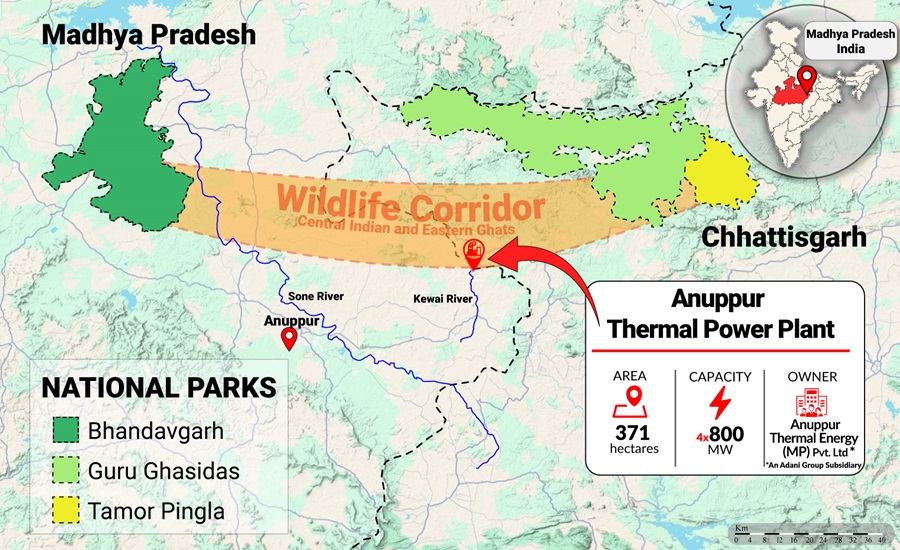
To deflect criticism, Adani claimed that no wildlife corridors exist within a 15-kilometer radius, leaning on an outdated 2014 government report. However, conservationists point out that the site, located just 700 meters from the frontier of Chhattisgarh, is a vital ecological highway for tigers, within a region that harbors nearly a third of India's entire wild tiger population. Meanwhile, local communities remain highly hostile to the project due to broken corporate promises regarding stable jobs.
Mirzapur Coal-Power Plant (Uttar Pradesh)
In Uttar Pradesh, Adani is advancing plans for a 1.6 gigawatt coal plant in Mirzapur, threatening an incredibly biodiverse forest landscape. Spanning 365 hectares near Dadri Khurd village, this 2.2 billion US dollar project will consume 6.4 million tonnes of coal every year. The surrounding forests are home to protected species like leopards, vultures, and sloth bears, yet Adani subsidiary Mirzapur Thermal Energy has already secured initial permits to draft its environmental studies. In February 2025, activists caught the corporation carrying out illegal ground construction on the site before obtaining final regulatory clearances.
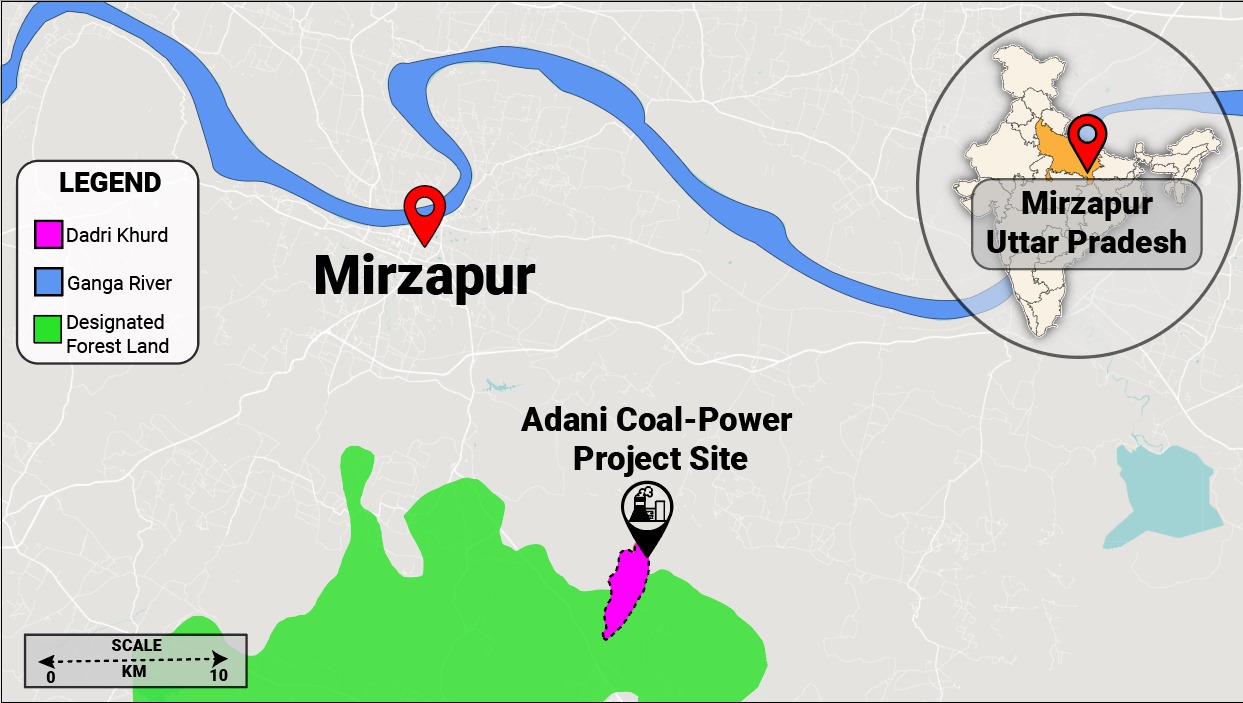
Public anger erupted in June 2024 when Adani workers cleared large swathes of forest vegetation without any legal authorization, prompting India’s National Green Tribunal to launch an official investigation in July 2024. This is a battleground with a history: a previous proposal to build a power plant in this precise wilderness was blocked by courts in 2016 due to its unacceptable ecological impacts.

While the Adani Group insists that the targeted land is non-forested and zoned for industry, environmental defenders argue that building here will permanently decimate precious, protected ecosystems. Despite this intense pushback, corporate leaders continue to claim their plant will revive the local economy and create jobs, ignoring the ecological tragedy.
Mundra Coal-Power Plant (Gujarat)
Over in Mundra, Gujarat, the political and economic home base of both Gautam Adani and Prime Minister Narendra Modi, the massive 4 gigawatt coal plant has devastated the local coastal ecosystem. A scathing report by the Comptroller and Auditor General of India, presented in the state assembly in September 2022, revealed that government watchdogs completely turned a blind eye to severe environmental violations. State authorities allowed up to 14 coal units to be constructed in Mundra despite repeating expert warnings about catastrophic pollution and a collapse in local biodiversity.
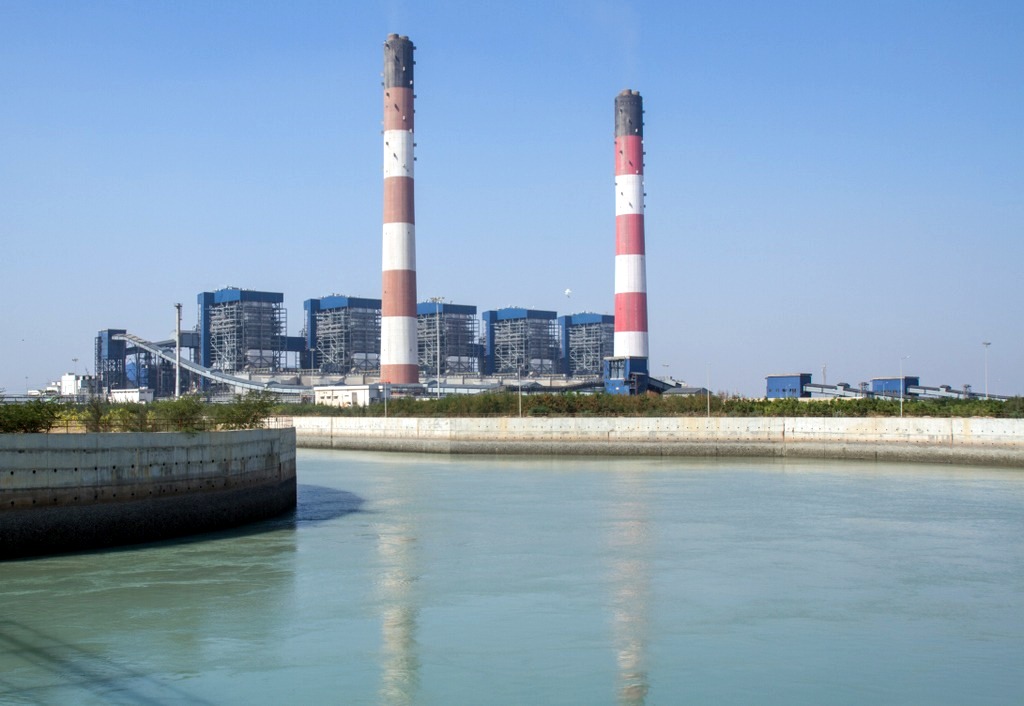
According to official findings, the corporation illegally dumped a massive 1.542 million metric tons of hazardous fly ash directly into low-lying coastal areas, crippling local farms and traditional fisheries. Local fishing networks report that fly ash settles directly onto their harvest while drying, ruining their catch, while agricultural families watch their date palm orchards wither as soils become increasingly saline from the ash. This heavy localized pollution has also triggered severe respiratory illnesses among residents and driven collapse in marine life, forcing traditional fishers to sail much further out to sea to find fish because coastal habitats have been poisoned.
Kawai Coal-Power Plant (Rajasthan)
In drought-prone Rajasthan, Adani’s plans to expand its Kawai thermal plant by a massive 3.2 gigawatts have triggered widespread panic among local communities. The gargantuan expansion will require an additional 12.9 million tonnes of coal annually, alongside a staggering 56 million cubic meters of water every year from a region already suffering from critical water shortages. Local communities have long accused the plant of hiding safety data regarding toxic groundwater contamination and severe air pollution, and they oppose the expansion over fears that it will dry out and poison their remaining water resources.
Godda Coal-Power Plant (Jharkhand)
In Jharkhand, indigenous Adivasi communities have led a heroic, years-long struggle against Adani’s massive Godda thermal plant. Operating for nearly two years, this controversial plant is entirely fed by imported coal shipped from Adani's notorious Carmichael mine in Australia and relies on sucking millions of liters of water directly out of the sacred Ganges River.
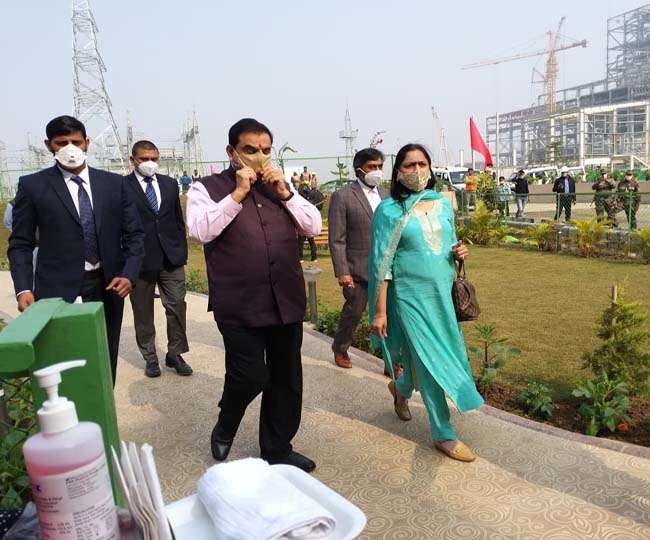
Local farmers have fought a brutal battle against having their ancestral lands grabbed by the corporation since 2016, enduring severe legal harassment, threats, and state-backed intimidation. Adding insult to local injury, the electricity generated at this plant is not even used in India but is entirely exported to neighboring Bangladesh. The construction of high-voltage transmission lines to export this power led to the violent cutting down of hundreds of productive mango and lychee trees in orchards across West Bengal. However, following the dramatic overthrow of Bangladesh's Prime Minister Sheikh Hasina in 2024, the nation's new interim government ordered a full judicial review of this heavily skewed, exploitative power agreement.
Thoothukudi / Coastal Energen Coal-Power Plant (Tamil Nadu)
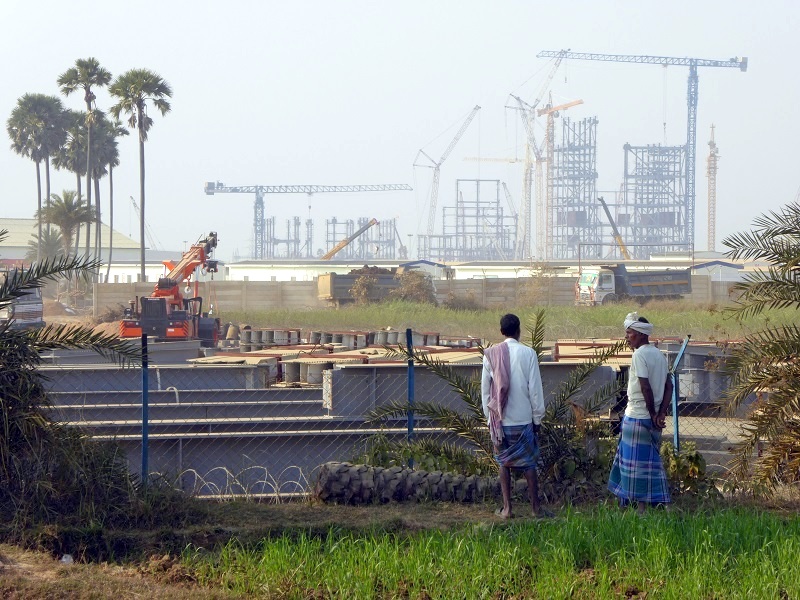
Down in Thoothukudi, Tamil Nadu, the Supreme Court of India stepped in during September 2024 to allow an Adani-led consortium to maintain control of the bankrupt Coastal Energen thermal plant. The apex court blocked an interim order from an appellate tribunal that had sought to strip Adani of control, allowing the corporate giant to run the 1.2 gigawatt facility without altering its financial or operational structures. This legal battle stems from Adani’s acquisition of the insolvent operator, which has been challenged in court by its former director, Ahmed Buhari, who has alleged deep procedural violations and unfair bidding practices during the corporate takeover.
Korba Coal-Power Plant (Chhattisgarh)
In Chhattisgarh’s heavily industrialized Korba district, Adani secured approval from bankruptcy tribunals in August 2024 to take full ownership of Lanco Amarkantak Power Limited. The acquisition of this 0.6 gigawatt plant in Pathadi village includes a planned 1.32 gigawatt expansion to supply power directly to northern states. Following the takeover, the site was rebranded as Korba Power Limited, and in February 2024, the central government controversially permitted Adani to conduct environmental assessments without holding a fresh public hearing for local communities. This massive plant sits just 2.35 kilometers from the ecologically vital Hasdeo River, and its expansion will see it suck up more than 100,000 cubic meters of river water every single day.
Nilanchal Thermal Power Plant (Cuttack, Odisha)
In Odisha’s Cuttack district, Adani Power’s opaque 2024 acquisition of the Nilanchal Thermal Power Plant has cleared the way for a massive new 2.4 gigawatt coal project. The massive plant will burn 9.67 million tonnes of coal annually, located dangerously close to the Kapilash Wildlife Sanctuary, a critical refuge for endangered wild elephants. The project faces deep local resentment from farming communities who lost their land during initial acquisitions, which has been worsened by the incredibly secretive nature of the corporate buyout, where Adani acquired a small family-held firm for a tiny fraction of its true value.

Tiroda Thermal Coal-Power Project (Gondia, Maharashtra)
Over in the drought-prone Vidarbha region of Maharashtra, the expansion of Adani’s Tiroda thermal fleet has come at the direct expense of precious local biodiversity. In October 2014, shortly after Narendra Modi was first swept into national office, the state government approved the clearing of 149 hectares of pristine forest land in Gondia district. To bypass environmental protections, local authorities argued that absolutely no non-forested land was available for the project, locking in the destruction of local tiger and wildlife corridors under highly suspect mitigation promises.