Adani Ka Toxic Expansion: Coal Par Double Down Karne Ka Bhayanak Sach
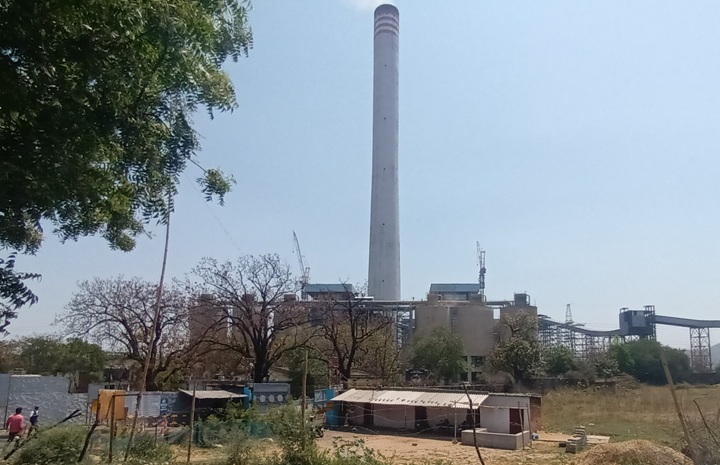
Adani Group poore India me apne coal operations ka ek catastrophic expansion push kar raha hai. Ye massive corporate drive coal mining ko radically scale up karegi, local toxic pollution ko aur badhaye-gi, aur global atmospheric heating ko accelerate karegi.
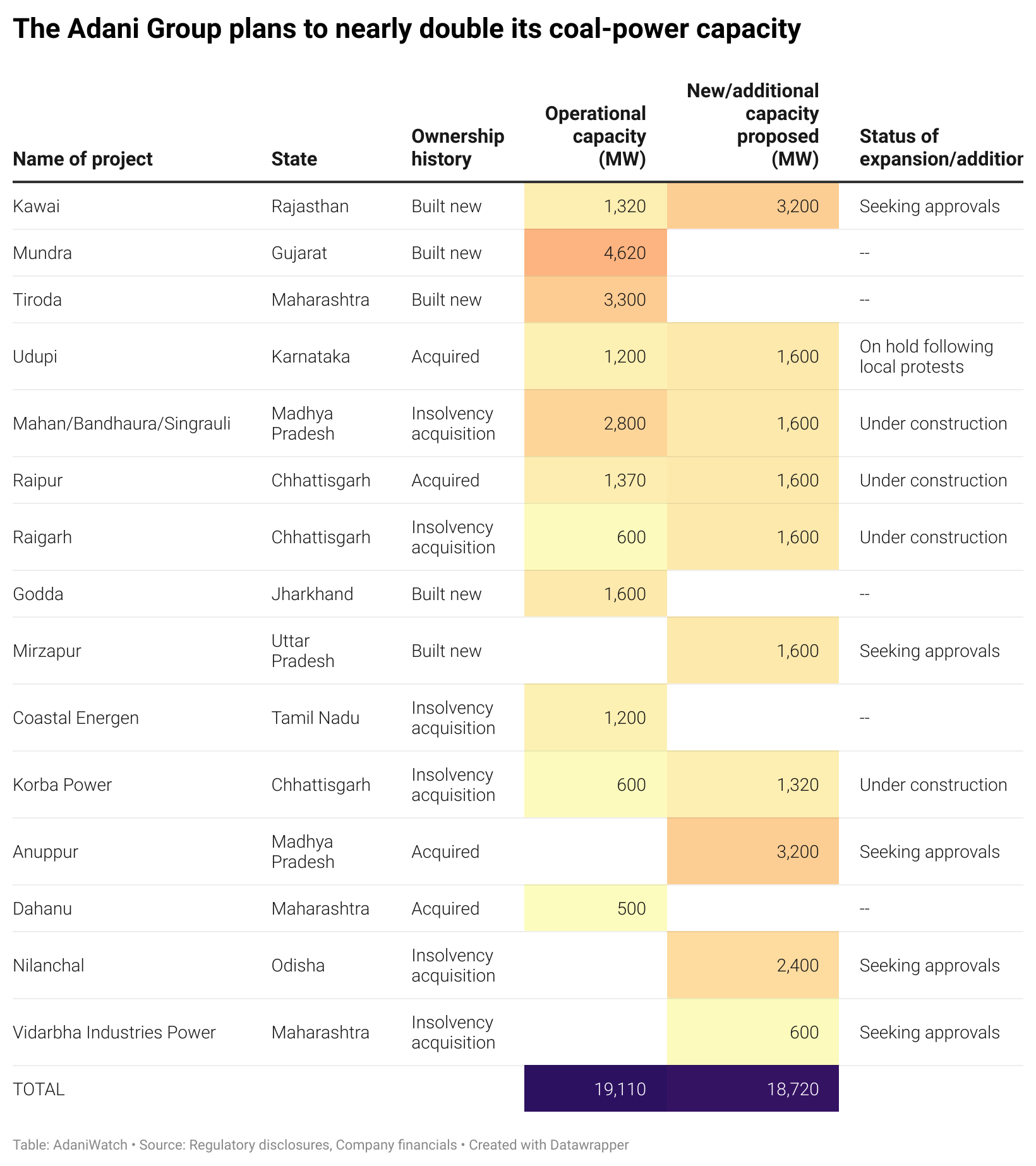
Adani ne ek aisi taiyari shuru kar di hai jo aane wale saalon mein uske coal-power production ko double karke lagbhag 38 GW tak pahuncha degi, according to an exclusive analysis by AdaniWatch. Complete karne par, Adani saal bhar mein 155 million tonnes coal jalayega, aur uske coal-power stations se hone wala carbon dioxide emission 200 million tonnes per annum se zyada ho jayega. Adani literally duniya ke sabse bade private coal developer ke apne status par double down kar raha hai.— Adani Watch
Ye comprehensive investigation poore India me Adani Group dwara operated ya planned 15 coal-fired energy projects ke cumulative aur destructive impacts ki details deti hai.
Adani Power ke latest financial statements aur Indian regulators ko submit kiye gaye mandatory environmental clearances se seedhe liye gaye ye figures expose karte hain ki kaise ye power surge conglomerate ke fuel consumption ko double karke 155 million tonnes per year karne par tikka hai. Ye individual projects abhi alag-alag phases mein hain, jismein se kuch actively under construction hain aur baki abhi bhi central government se environmental clearance ka wait kar rahe hain.
Halaanki Adani Power ne haal hi mein late January 2025 mein publicly 30.67 gigawatts ka growth target declare kiya tha, hamare project pipeline ke detailed review se pata chalta hai ki unke actual plans isse kahi zyada bade hain, jo total 37.83 gigawatts coal power tak jaate hain.
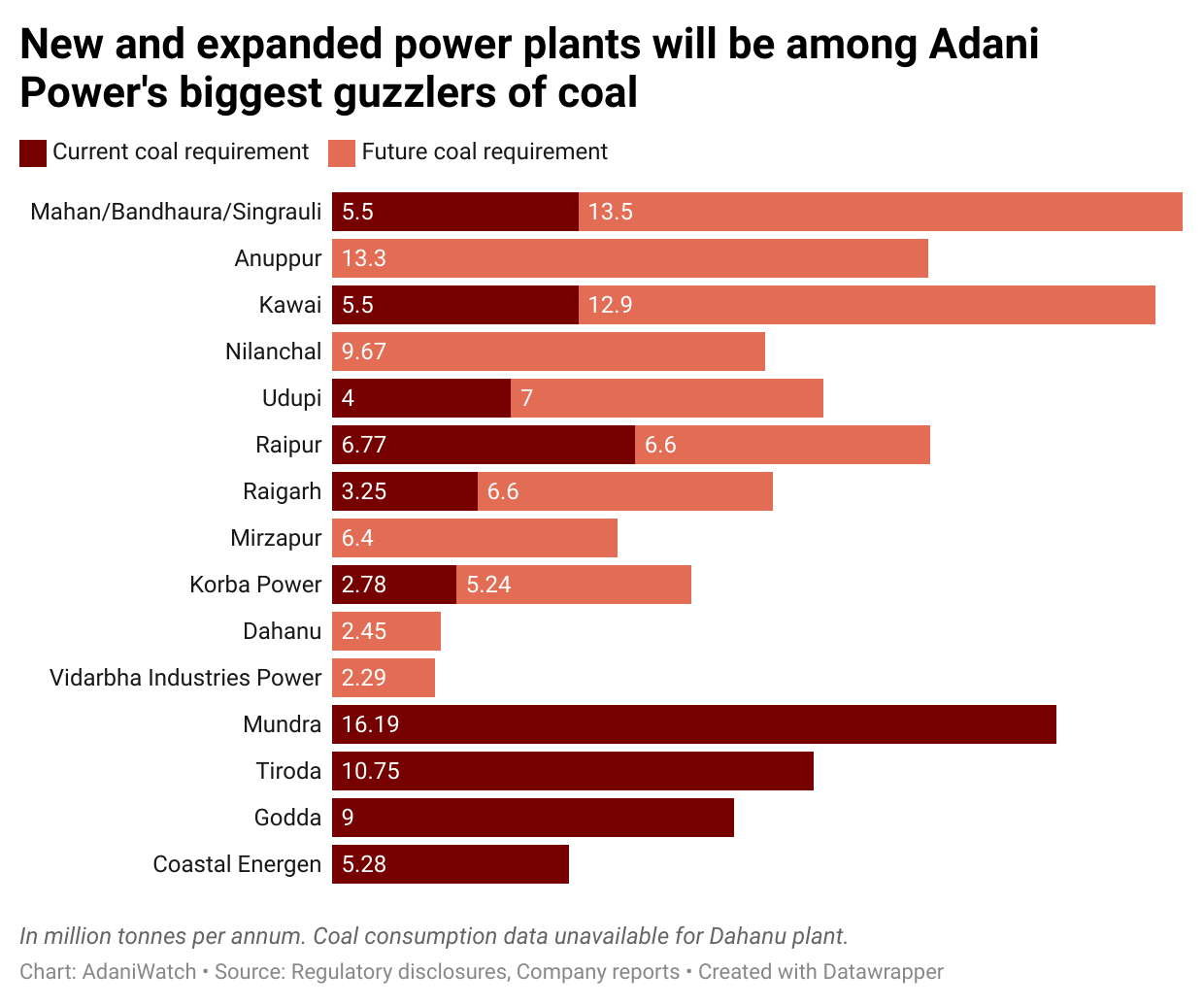
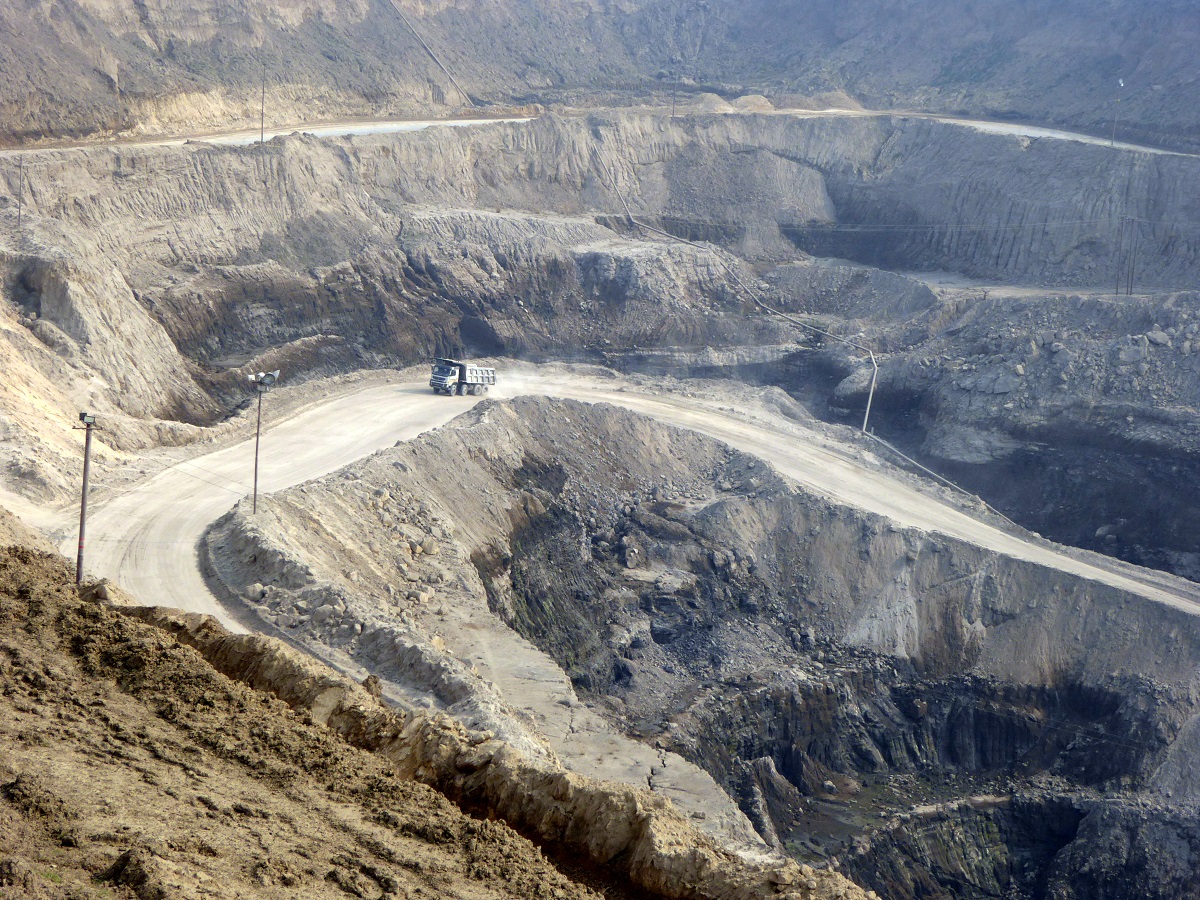
Is capacity spike ka sabse direct consequence hai coal ki bhari maang. In naye units ko shuru karne ka matlab hai har saal 83.5 million tonnes extra coal jalana, jo unke current yearly utilization (71.4 million tonnes) ke upar hoga. Isse final expected fuel demand saalana 155 million tonnes tak pahunch jayegi, jo lagbhag Adani ke mining output ko 151 million tonnes a year tak badhane ke sister plans se match karti hai. Inme se kai operations mein, Adani state-owned utilities ke liye coal extract karne ke liye ek mining developer ke roop mein contracted hai. Isliye, apne private power facilities ko feed karne ke liye, Adani ko national supplier Coal India Limited se coal kharidna hoga ya fir overseas se imports secure karne honge.
Agar ye saare power projects full operation mein aa jaate hain, toh Adani ke thermal stations har saal lagbhag 200 million tonnes greenhouse gases atmosphere mein dump karenge. Ye estimate India ke current coal fleet ke standard emissions profile par based hai. Is calculation mein nationwide routine plant load factor (jo ki actual energy produced aur plant ki maximum capacity ka ratio hota hai) ko 70 percent mana gaya hai, aur sath hi official government data kehta hai ki Indian coal plants har ek billion units generated electricity ke liye lagbhag 0.9 million tonnes carbon dioxide release karte hain.
Corporate claims ke bawajood ki wo modernize ho rahe hain, numbers dikhate hain ki Adani ke coal burn karne ki efficiency mein koi real improvement nahi hai. Ek basic calculation se pata chalta hai ki unka current operating fleet har single megawatt capacity ke liye lagbhag 4,022 tonnes coal consume karta hai, jabki naye expansions actually thoda zyada, yaani 4,086 tonnes per megawatt consume karenge. Bhale hi conglomerate claim karta hai ki wo sophisticated "supercritical" aur "ultra-supercritical" generators deploy kar rahe hain jo fuel ko cleanly burn karne ke liye design kiye gaye hain, regulatory filings dikhati hain ki unka naya fleet actually purane plants ki tarah hi coal-heavy aur thoda aur wasteful rahega.
Severe environmental damage ke alawa, ye aggressive expansion financial analysts ke beech chinta badha raha hai, kyunki in massive projects ke liye pay karne ke liye Adani Power ka debt burden 70 percent tak badhne ki ummeed hai. Domestic credit rating agencies ne warn kiya hai ki in plants ko banane mein koi bhi delay ya regulatory blocks company ki financial health ko buri tarah threaten kar sakte hain. In red flags ke bawajood, rating agencies ka manna hai ki Adani Power ke paas abhi bhi projects ko aage badhane aur local hurdles ko bypass karne ki organizational capacity hai.
Is expansion ke real-world consequences sirf data points tak hi seemit nahi hain. In plants ko banane se aane wale kai decades ke liye coal extraction aur combustion lock-in ho jayega, jo local communities ka dum ghotega. Ye ye bhi dikhata hai ki green energy ko promote karne wali Adani Group ki badi public relations (PR) campaigns sirf ek smokescreen hain jo dirty coal ke prati unki relentless, multi-billion-dollar commitment ko chhupati hain.
Toxic Expansion Kahan Strike Karega
Company ke plans mein sabse bada scale-up Mahan (jise Bandhaura ya Singrauli bhi kehte hain) facility, Kawai facility, aur Anuppur plant mein concentrated hai, jahan har ek mein massive 3.2 gigawatt ka expansion hona hai. Odisha ki Nilanchal facility mein bhi ek brand-new 2.4 gigawatt plant banna taiyar hai. Jahan Mahan aur Kawai ke sites pehle se maujood complexes ka ek bada expansion hain, wahi Anuppur aur Nilanchal ke operations naye sire se poori tarah fresh zameen par banaye jayenge.
Ye details ek strategic shift dikhati hain: Adani Power apni massive power generation ko highly concentrated mega-hubs mein consolidate kar raha hai. Currently, ye conglomerate sirf ek "ultra-mega" coal plant operate karta hai (jo ki 4 gigawatts se zyada power produce karne wala installation hota hai), jo coastal Mundra mein hai. Lekin expansion ke baad, Kawai aur Mahan dono facilities is ultra-mega tier mein shamil ho jayengi. Agar ye additions kamyab hote hain, to ye gargantuan hubs developer ke poore power portfolio ka staggering 80 percent hissa banayenge, jo abhi sirf 56 percent hai.
Ek hi location par itna saara coal-burning power pack karne ka matlab hai ki aas-paas ki communities par localized toxic pollution ka catastrophic load padega, aur plants ko supply karne wale trucks aur trains ke behisab aane-jaane se bhaari coal dust udegi. Ye concentration Adani ko economies of scale ke zariye profits maximize karne, aur naye regions mein zameen lene aur local resistance se ladne se bachne ki suvidha deta hai. Lekin, ye strategy ek double-edged sword hai: agar local protests, court orders, ya critical coal supply failure ke chalte ek bhi massive hub band ho gaya, to Adani ke poore operations ka ek bada hissa turant freeze ho jayega.
Data se ye bhi pata chalta hai ki Adani Power dusri companies dwara banaye gaye existing projects ko acquire karne par kitna heavily rely karta hai, jaise Singrauli aur Udupi ke major operations. Planned capacity additions ka ek bada hissa, jo ki 13.29 gigawatts hai, inhi acquired facilities mein banaya jayega. Iske opposite, jo projects Adani ne khud shuru se banaye the, jaise Mundra aur Kawai, naye additions mein unka share sirf 4.8 gigawatts hai, jismein se bada hissa sirf Kawai expansion par focused hai.
Ye dikhata hai ki corporation pre-existing, acquired facilities ko apne khud ke banaye plants ke mukable expansion ke liye kahin zyada lucrative sites ke roop mein dekhta hai. Halanki company ne publicly is choice ko explain nahi kiya hai, in acquired plants ki location major clues deti hai. Ye mainly central aur eastern India ke coal-rich belts mein hain, jahan coal infrastructure pehle se hi dense hai. Wahan expand karna western India ke mukable kafi sasta aur legally aasan hai, jahan fuel ko lambi duryon tak ship karna padta hai. Iske alawa, ye eastern aur central hubs geographically aisi jagah hain jahan Australia mein Adani ke controversial Carmichael mine se aane wale coal imports ko receive kiya ja sakta hai.
Ye tez expansion ye bhi dikhata hai ki kaise 2016 mein Modi government dwara pass kiye gaye corporate-friendly insolvency laws ne Adani ko direct benefit pahunchaya hai. Poore proposed expansion mein se, sabse bada single share, 7.52 gigawatts, un plants mein banaya ja raha hai jinhe Adani ne bankrupt power operators se kharida tha. Jab aap us capacity ko bhi include karte hain jo un bankrupt sites par pehle se chal rahi thi jab Adani ne unhe kharida, toh ye distressed assets ek massive 12.72 gigawatts ka hissa bante hain, jo company ke poore projected power fleet ka lagbhag one-third hai.
Jahan ek taraf ye corporate expansion global climate targets ke liye ek disaster hai, wahi in developments ke frontlines par phansi communities ke liye ye threat behad niji aur immediate hai. Neeche har ek individual site par chal rahe local resistance aur environmental destruction ka breakdown diya gya hai.
Udupi Coal-Power Plant (Karnataka)
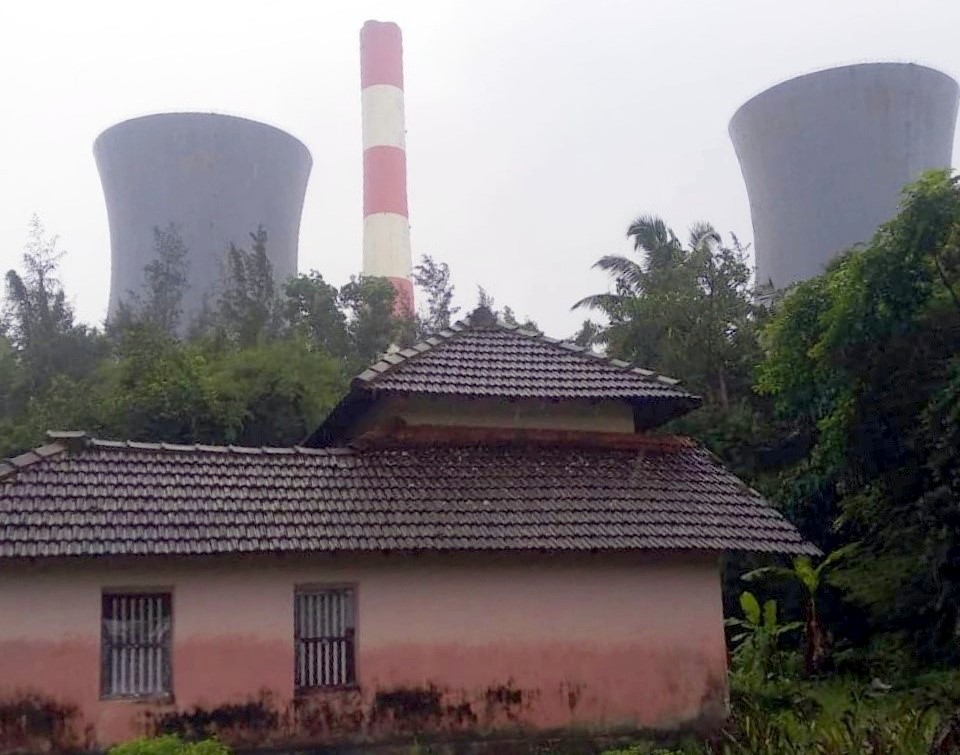
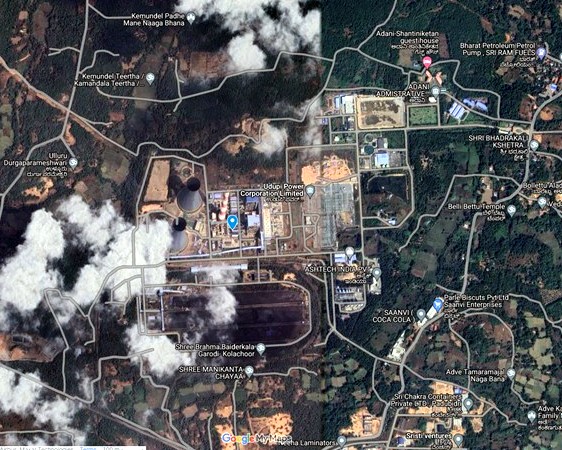
Coastal Karnataka mein, Udupi thermal plant ke proposed expansion ko bhayanak community resistance ke chalte poori tarah rok diya gaya hai. Plant ke 10-kilometer radius mein rehne wale 387 families ke ek local survey se pata chala hai ki 97 percent residents kisi bhi expansion ka zor-shor se virodh kar rahe hain. Jab se plant late 1990s mein operate hona shuru hua hai, tab se locals ko bhaari zameen ka nuksan, polluted water sources, aur skin aur respiratory diseases mein tezi se badhotri jhelni padi hai. Farming families ke agricultural yields tezi se gire hain, kyunki coal pollution ne local soil ko kharab kar diya hai aur traditional paddy (dhaan) ki kheti ko lagbhag impossible bana diya hai.
Local employment ke bade-bade corporate promises ke bawajood, ye massive plant area mein koi meaningful economic progress lane mein kamyab nahi raha. Surveyed residents mein se 93 percent se zyada logon ne bataya ki unhe bilkul zero benefits mile hain, jabki local unemployment abhi bhi high hai. Halanki community opposition 1980s se chala aa raha hai, local outrage tab dobara bhadak utha jab Adani ne 2015 mein is plant ko kharida aur ek massive capacity expansion ke liye push karna shuru kiya.
Mamle ko aur kharab karte hue, India ke National Green Tribunal ne Adani-owned Udupi facility par severe environmental violations ke liye 6 million US dollars se zyada ka massive fine lagaya hai. Toxic discharges, coal dust, fly ash, aur wastewater ne local farms ko barbad kiya hai aur marine ecosystems ko tabah kar diya hai, jiski wajah se coast par mari hui dolphins aur crabs ke behne ki chintajanak khabrein aayi hain.
Bandhaura / Mahan / Singrauli Coal-Power Plant (Madhya Pradesh)
14 February 2025 ko, Madhya Pradesh mein Adani ke Mahan power plant ke paas saalon se sulag raha local gussa phat pada. Ek bade coal transport truck dwara do local motorcyclists ko kuchal kar maar dene ke baad gusse mein aaye residents ne company ki kai buses aur heavy coal trucks ko aag laga di. Ye dardnak harsa un narrow roads par hua jo corporate traffic se choke rehti hain, jo dikhata hai ki kaise locals rozana safety threats aur poor policing ka samna karte hain.
Mahan plant, jise Adani ki subsidiary Mahan Energen Limited chalati hai, wahan capacity ko 1.2 gigawatts se badhakar 4.4 gigawatts karne ke liye ek massive build-out chal raha hai. First expansion stage, jise government ne August 2023 mein approve kiya tha, ne capacity ko 2.8 gigawatts kar diya, jabki January 2025 mein recommended second stage ka aim aur 1.6 gigawatts add karna hai. Shockingly, corporation ne in plans ko aage badha kiya hai bina kisi mandatory environmental safety studies ko complete kiye, jismein local human health aur delicate ecological systems par plant ke long-term impacts ka assessment bhi shamil tha.
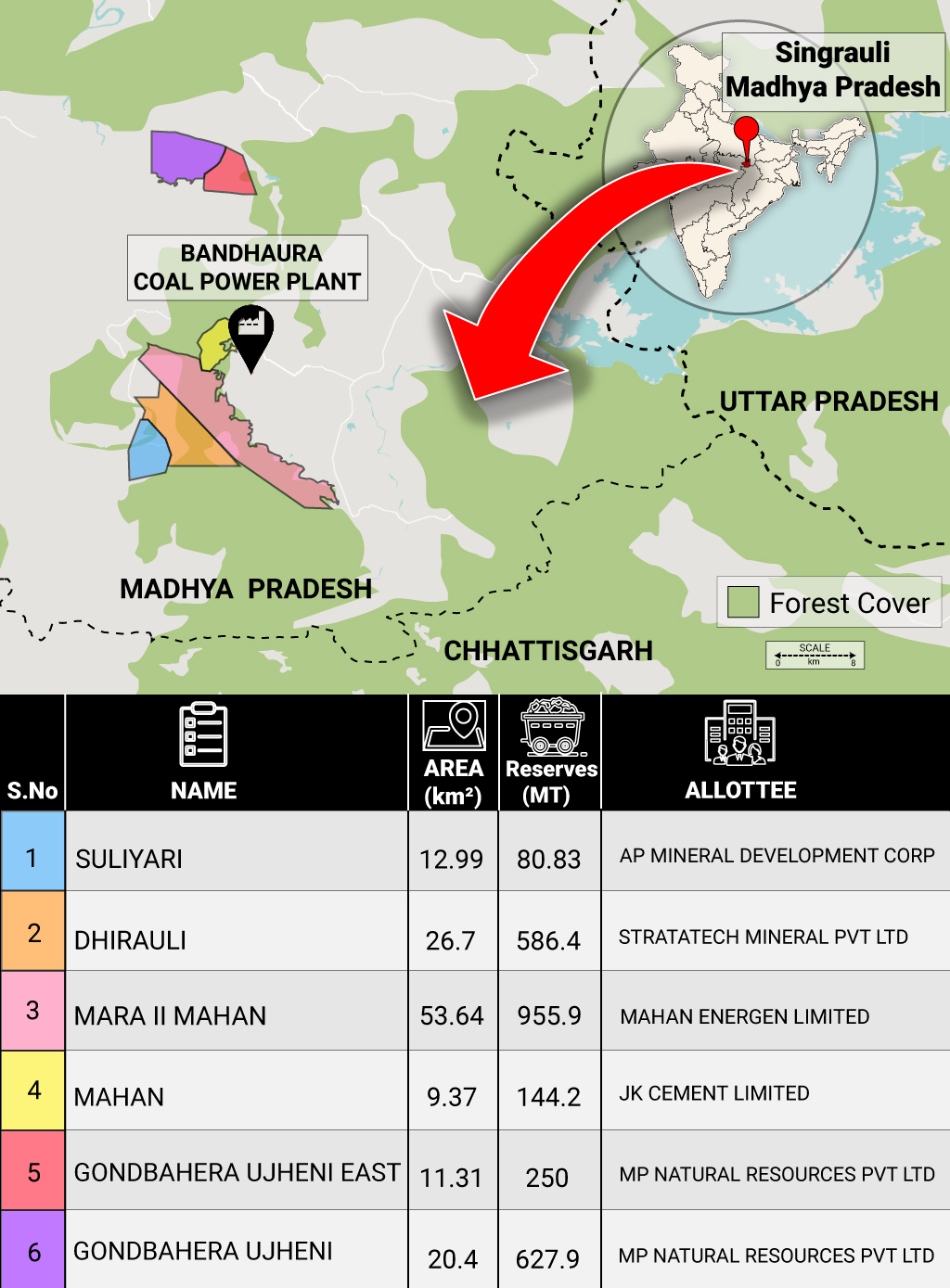
Is massive capacity hike ke liye har saal 13.35 million tonnes extra coal site par lana hoga. Local public infrastructure pehle se hi heavy transport ke dabaav mein fail ho raha hai, aur toxic coal dust ke ghane badal aas-paas ke crops aur villages ko cover kar rahe hain. Is environmental crisis ke bawajood, ye expansion mitigation ke khokhale corporate claims (jaise basic filtration units install karna aur treated sewage water use karna) ke sahare chal raha hai.
Raikheda Coal-Power Plant (Raipur, Chhattisgarh)
1 November 2024 ko, central government ne Chhattisgarh ke Raipur mein Adani ke Raikheda thermal plant ke massive expansion ko greenlight de di, jabki uske existing operations se jude outstanding environmental violations ko poori tarah ignore kiya gaya. Ye project plant ki capacity ko double se zyada kar dega, jo 1.37 gigawatts se badhakar 2.97 gigawatts ho jayegi, aur isme har saal 6.6 million extra tonnes coal ki zaroorat padegi. Is 632 million US dollars ke expansion ko lekar local logon mein bhari gussa hai.
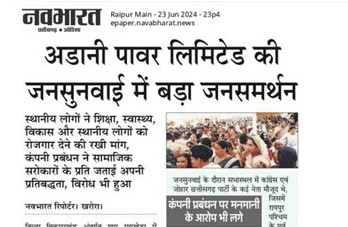
Raikheda facility, jo 2019 se Adani Power ke control mein hai, 358 hectares mein faili hai aur Raikheda, Gaitara aur Chicholi ke aas-paas ke gaon ko directly threaten karti hai. June 2024 mein hui ek public consultation ke dauraan, local residents aur political leaders ne employment se bahar rakhe jaane, badhte pollution, aur corporate transparency ki bhari kami par serious concerns uthaye, aur Adani par community se kiye gaye purane promises todne ke arop lagaye.
Activists point out karte hain ki plant low-grade coal ka use karta hai jismein ash content bohot zyada hota hai, jisse highly toxic emissions paida hote hain aur mandatory sulfur dioxide filtering systems lagane mein company fail rahi hai. Jahan Adani claim karta hai ki wo in issues ko 6 million US dollar ke social responsibility fund se solve kar raha hai, wahi local communities abhi bhi severe employment discrimination aur unfair displacement payouts ki report kar rahi hain. Tension badhate hue, is power generation ke liye coal Adani ke highly controversial Gondulpara mining project se nikaala jayega, jo kai local villages ko poori tarah mita dene ka khatra banata hai.
Raigarh Energy Generation Limited (Raigarh, Chhattisgarh)
Late 2024 mein Modi administration ne dobarah step in kiya, aur Chhattisgarh mein Adani ke Raigarh power plant ke massive 1.6 billion US dollar ke scale-up ko approve kar diya, jisse iski capacity 0.6 gigawatts se badhakar 2.2 gigawatts ho jayegi. Toxic fly ash aur air pollution se dari local communities ke bhaari protests ke bawajood, Ministry of Environment ne 28 November 2024 ko approval de di. Is expansion se facility ki coal demand double se zyada badhkar 6.6 million tonnes annually ho jayegi, jo Odisha mein Adani ke ek operation se lai jayegi.
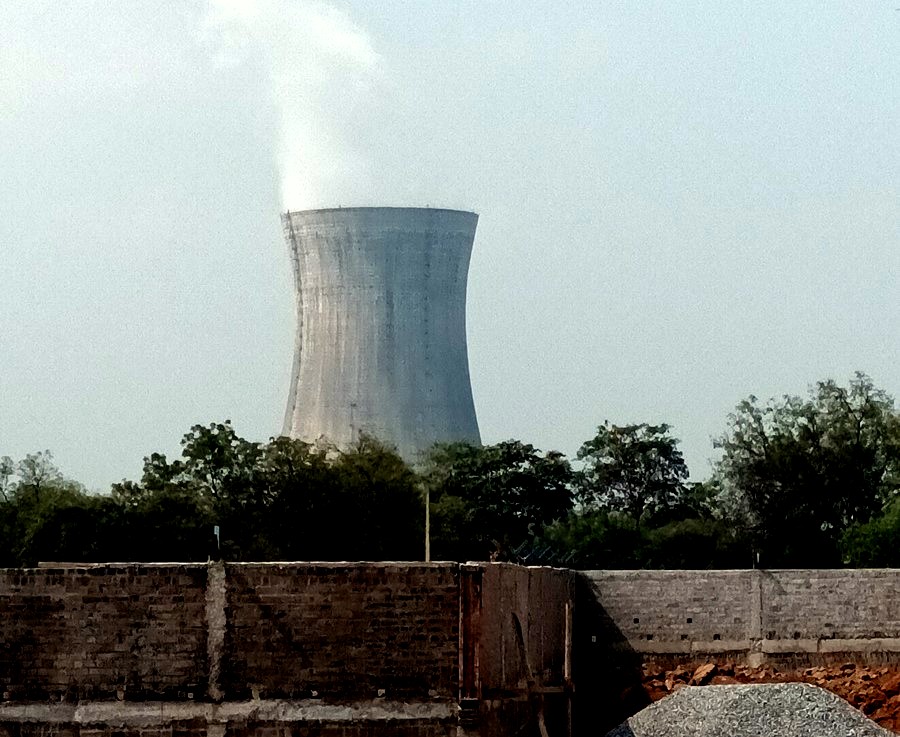
Villagers warn karte hain ki toxic fly ash, jo coal jalane se bacha hua ek khatarnak residue hota hai, use pehle se hi productive farmland aur vital local water resources par illegally dump kiya ja raha hai. Halanki Adani Power claim karta hai ki wo apne purane toxic ash piles ko saaf karega aur future waste ko responsibly handle karega, fly ash generation mein teen-guna badhotri ke environmental impacts abhi bhi unaddressed hain. Heavily congested coal transport roads aur shipping routes ke sath protective tree lines ka na hona aas-paas ke pure region ka dum ghot raha hai.

Iske alawa, ye gargantuan expansion local forest wildlife ko threaten karta hai, lekin abhi tak koi official animal conservation plan approve nahi kiya gaya hai. In clear failures ke bawajood, expansion aage badh raha hai, aur Adani Power regulatory permits lene ke liye environmental mitigation measures par ek questionable 249 million US dollars pledge kar raha hai.
Anuppur Coal-Power Plant (Madhya Pradesh)
Madhya Pradesh mein, Adani Group Anuppur mein ek brand-new, massive 3.2 gigawatt coal-fired plant banane ke liye push kar raha hai, jo India ke endangered tigers par iske catastrophic impact ko lekar bhari alarm trigger kar raha hai. Ye massive 4.3 billion US dollar ka project direct critical wildlife sanctuaries ke beech located hai, jismein world-famous Bandhavgarh aur Kanha Tiger Reserves shamil hain. Is industrial complex ko banane se vital wildlife corridors ke permanently khatam hone ka risk hai, jo tigers ko human settlements mein jane par majboor karega, jis se conflict badhega aur ek highly unique, genetically diverse tiger population ko khatra hoga.

Adani ki subsidiary Anuppur Thermal Energy dwara proposed ye plant saalana 13.3 million tonnes coal consume karega. Conservationists corp par in ecological risks ko actively chhupane aur known migration pathways ko disclose karne mein fail hone ka arop lagate hain, fir bhi government regulators ne mahaz ek general cumulative impact review suggest karke environmental assessment ko clear kar diya.
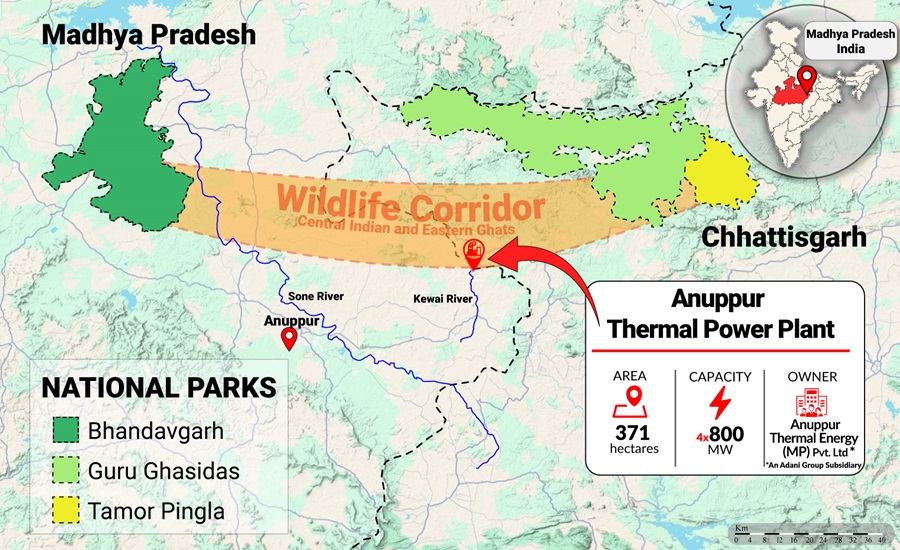
Alochana se bachne ke liye, Adani ne claim kiya ki 15-kilometer radius ke andar koi bhi wildlife corridor nahi hai, jiske liye unhohne 2014 ki out-dated government report ka sahara liya. Halanki, conservationists point out karte hain ki ye site, jo Chhattisgarh ke border se mahaz 700 meters door hai, tigers ke liye ek important ecological highway hai, ek aise region mein jahan India ki entire wild tiger population ka lagbhag ek-tihaai (one-third) hissa rehta hai. Iske sath hi stable jobs ke mamle mein broken corporate promises ki wajah se local communities is project ko lekar kafi hostile hain.
Mirzapur Coal-Power Plant (Uttar Pradesh)
Uttar Pradesh mein, Adani Mirzapur mein 1.6 gigawatt coal plant ke plans ko aage badha raha hai, jo ek incredibly biodiverse forest landscape ko threaten kar raha hai. Dadri Khurd village ke paas 365 hectares mein faila ye 2.2 billion US dollar ka project har saal 6.4 million tonnes coal consume karega. Aas-paas ke forests leopards, vultures, aur sloth bears jaise protected species ka ghar hain, fir bhi Adani ki subsidiary Mirzapur Thermal Energy ne environmental studies draft karne ke liye initial permits pehle hi secure kar liye hain. February 2025 mein, activists ne corporation ko final regulatory clearances milne se pehle hi site par illegal ground construction karte hue pakda.
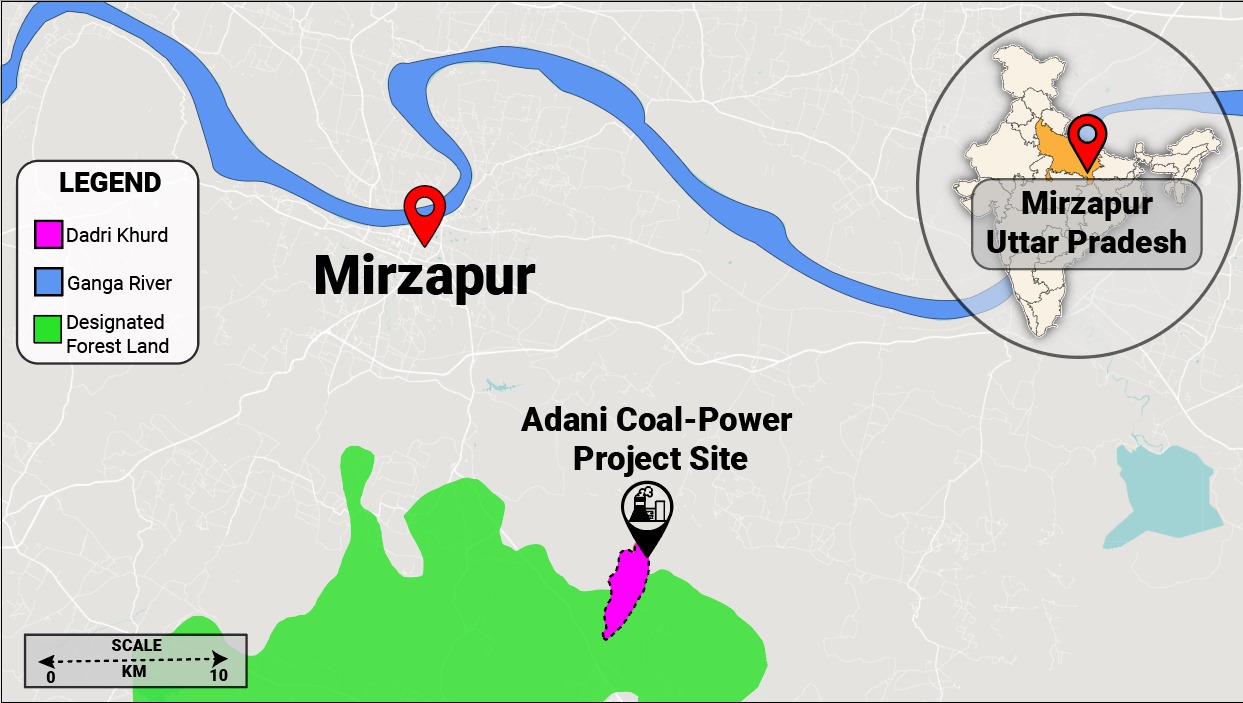
June 2024 mein public ka gussa tab phat pada jab Adani ke workers ne bina kisi legal authorization ke heavy forest vegetation ko saaf kiya, jiski wajah se India ke National Green Tribunal ne July 2024 mein ek official investigation launch ki. Ye ek purana battleground raha hai: isse pehle isi forest area mein power plant banane ke ek proposal ko courts ne 2016 mein iske unacceptable ecological impacts ki wajah se block kar diya tha.

Halaanki Adani Group insist karta hai ki targeted land non-forested hai aur industry ke liye zoned hai, environmental defenders argue karte hain ki yahan plant banane se precious, protected ecosystems permanently barbad ho jayenge. Is bhari pushback ke bawajood, corporate leaders claim karte ja rahe hain ki unka plant local economy ko revive karega aur jobs generate karega, is ecological tragedy ko poori tarah ignore karte hue.
Mundra Coal-Power Plant (Gujarat)
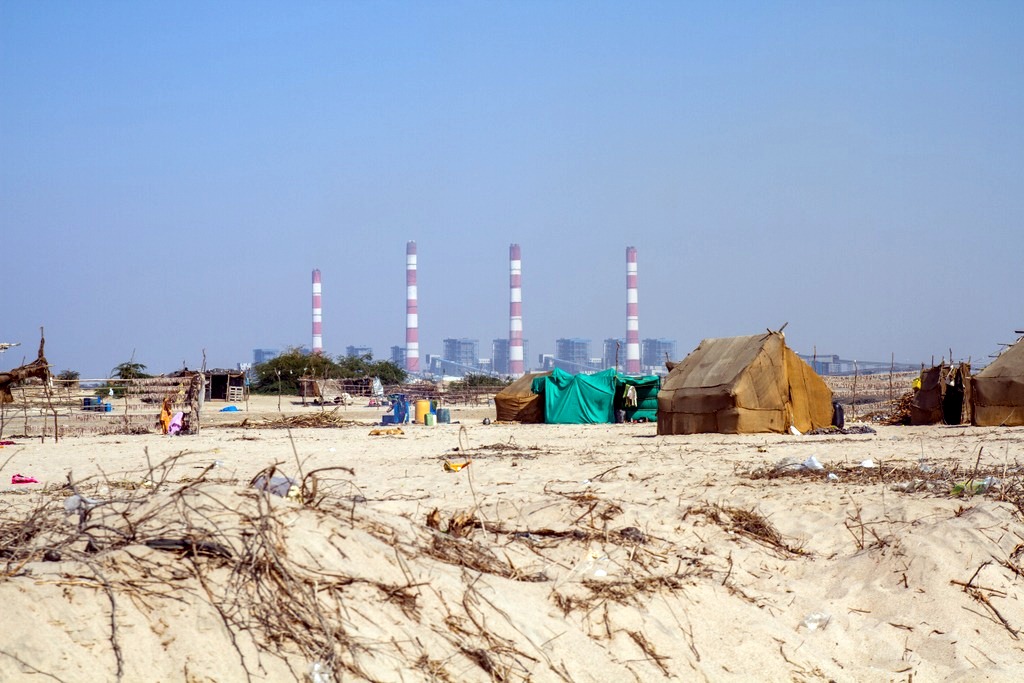
Mundra, Gujarat mein, jo ki Gautam Adani aur Prime Minister Narendra Modi dono ka political aur economic home base hai, wahan ke massive 4 gigawatt coal plant ne local coastal ecosystem ko barbad kar diya hai. Comptroller and Auditor General of India (CAG) ki ek scathing report ne, jise September 2022 mein state assembly mein present kiya gaya tha, reveal kiya ki government watchdogs ne severe environmental violations ko poori tarah ignore kiya. State authorities ne Mundra mein 14 coal units tak banane ki permission de di, jabki experts lagatar catastrophic pollution aur local biodiversity ke collapse hone ki warning de rahe the.
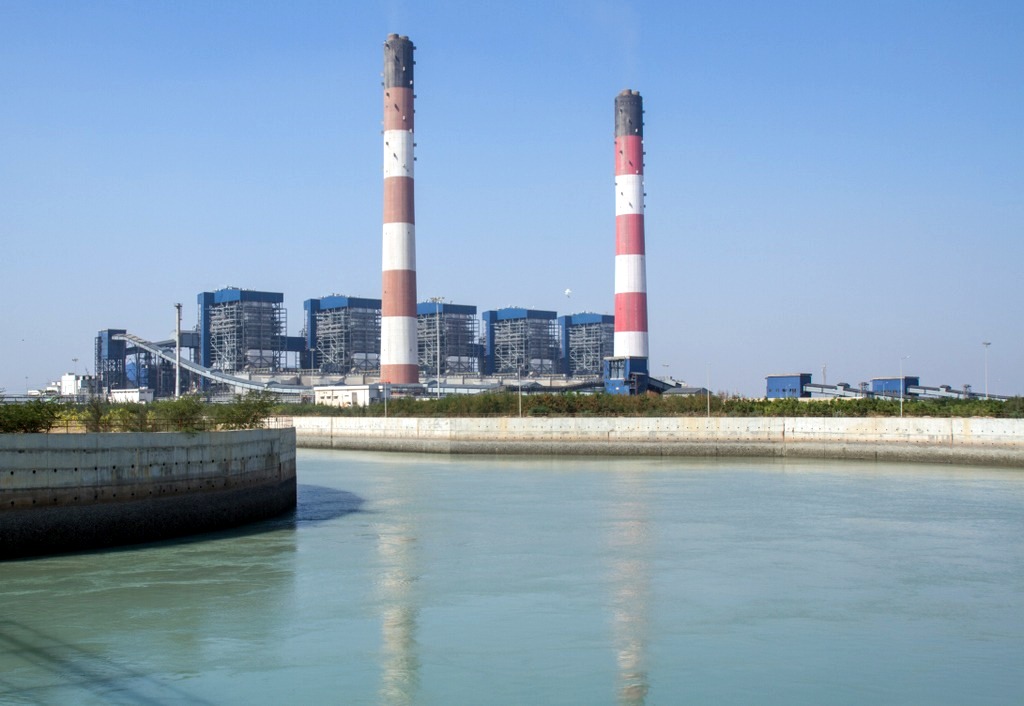
Official findings ke mutabik, corporation ne massive 1.542 million metric tons hazardous fly ash directly low-lying coastal areas mein illegally dump kiya hai, jis se local farms aur traditional fisheries tabah ho gayi hain. Local fishing networks report karte hain ki sukhte waqt unke harvest par fly ash seedhe settle ho jata hai, jisse unka catch kharab ho jata hai, jabki agricultural families apne date palm (khajoor) ke bageechon ko sukhte hue dekh rahi hain kyunki ash ki wajah se soil saline hota ja raha hai. Is heavy localized pollution ne residents mein severe respiratory illnesses ko bhi trigger kiya hai aur marine life ko collapse kar diya hai, jisse traditional fishers ko machhli pakadne ke liye samundar mein kafi aage jana pad raha hai kyunki coastal habitats bilkul zehrile ho chuke hain.
Kawai Coal-Power Plant (Rajasthan)
Drought-prone Rajasthan mein, Adani ke Kawai thermal plant ko massive 3.2 gigawatts tak expand karne ke plans ne local communities ke beech bhari panic trigger kar diya hai. Is gargantuan expansion ke liye har saal additional 12.9 million tonnes coal ki zaroorat hogi, aur sath hi har saal ek behad critical water shortage se guzar rahe region se staggering 56 million cubic meters paani chahiye hoga. Local communities bohot pehle se plant par toxic groundwater contamination aur severe air pollution se juda safety data chhupane ka aarop lagati aayi hain, aur wo is expansion ka virodh kar rahi hain kyunki unhe darr hai ki is se bache-khuche water resources bhi sookh aur zehrile ho jayenge.
Godda Coal-Power Plant (Jharkhand)
Jharkhand mein, indigenous Adivasi communities ne Adani ke massive Godda thermal plant ke khilaaf ek heroic, saalon-lambi ladaai ladi hai. Lagbhag do saal se operate ho raha ye controversial plant poori tarah Australia mein Adani ke notorious Carmichael mine se ship kiye gaye imported coal par chalta hai aur isme sacred Ganges River se millions of liters paani directly suck kiya jata hai.
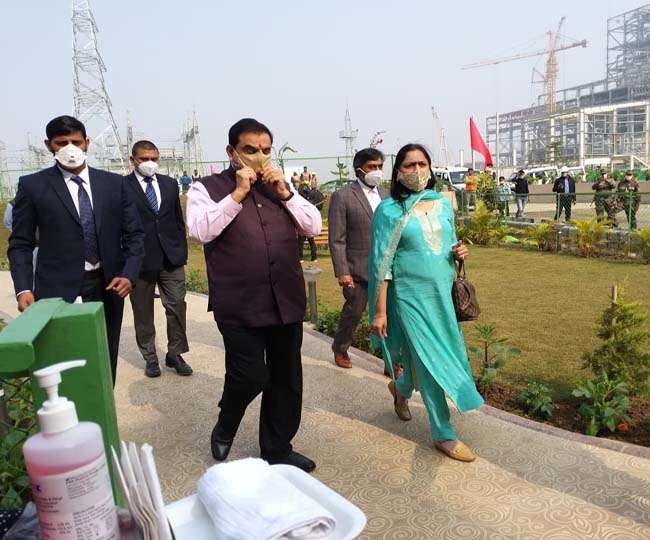
Local farmers ne 2016 se corporation dwara apni ancestral lands ko hadapne (grab karne) ke khilaaf ek brutal battle ladi hai, aur unhe severe legal harassment, dhamkiyon aur state-backed intimidation se guzarana pada hai. Zakhm par namak chidakne jaisi baat ye hai ki is plant se generate hone wali electricity India mein use tak nahi hoti, balki pure tarah se padosi desh Bangladesh ko export ki jati hai. Is power ko export karne ke liye high-voltage transmission lines ke construction ke dauraan West Bengal ke bageechon mein sainkdo productive aam (mango) aur litchi ke pedon ko violently kaat diya gaya. Halanki, 2024 mein Bangladesh ki Prime Minister Sheikh Hasina ke dramatic takhtapalat ke baad, wahan ki naye interim government ne is heavily skewed, exploitative power agreement ka full judicial review karne ka order diya hai.
Thoothukudi / Coastal Energen Coal-Power Plant (Tamil Nadu)
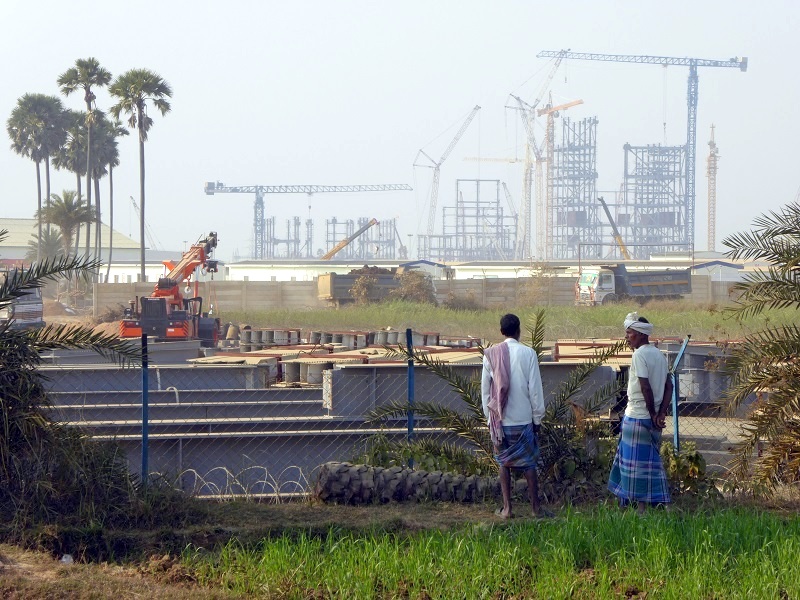
Thoothukudi, Tamil Nadu mein, Supreme Court of India ne September 2024 ke dauraan step in karte hue ek Adani-led consortium ko bankrupt Coastal Energen thermal plant par apna control banaye rakhne ki permission di. Apex court ne ek appellate tribunal ke interim order par rok laga di jo Adani se control chinna chahta tha, jisse corporate giant ko bina financial ya operational structures badle is 1.2 gigawatt facility ko chalane ki permission mil gayi. Ye legal battle Adani ke is insolvent operator ke acquisition ke chalte hai, jise iske former director Ahmed Buhari ne court mein challenge kiya hai, jinhone corporate takeover ke dauraan deep procedural violations aur unfair bidding practices ke arop lagaye hain.
Korba Coal-Power Plant (Chhattisgarh)
Chhattisgarh ke heavily industrialized Korba district mein, Adani ne August 2024 mein bankruptcy tribunals se approval lekar Lanco Amarkantak Power Limited ki full ownership le li. Pathadi village ke is 0.6 gigawatt plant ke acquisition mein ek planned 1.32 gigawatt expansion bhi shamil hai, jo directly northern states ko power supply karega. Takeover ke baad, is site ko Korba Power Limited ke roop mein rebrand kiya gaya hai, aur February 2024 mein central government ne controversially Adani ko local communities ke liye bina kisi fresh public hearing ke environmental assessments karne ki permission de di. Ye massive plant ecologically vital Hasdeo River se mahaz 2.35 kilometers door hai, aur iska expansion har single day river se 100,000 cubic meters se zyada paani suck karega.
Nilanchal Thermal Power Plant (Cuttack, Odisha)
Odisha ke Cuttack district mein, Adani Power dwara Nilanchal Thermal Power Plant ke opaque 2024 acquisition ne ek massive naye 2.4 gigawatt coal project ka rasta saaf kar diya hai. Ye massive plant har saal 9.67 million tonnes coal jalayega, aur ye Kapilash Wildlife Sanctuary ke dangerously close located hai, jo endangered wild elephants ke liye ek critical refuge hai. Is project ko farming communities ke bhari gusse ka samna karna pad raha hai jinhe aapne initial acquisitions mein apni zameen khoni padi thi, aur mamla is corporate buyout ke incredibly secretive nature se aur kharab ho gaya hai jahan Adani ne ek choti family-held firm ko iski real value ke ek bohot chote fraction par acquire kiya.

Tiroda Thermal Coal-Power Project (Gondia, Maharashtra)
Maharashtra ke drought-prone Vidarbha region mein, Adani ke Tiroda thermal fleet ka expansion seedhe local biodiversity ki keemat par hua hai. October 2014 mein, Narendra Modi ke pehli baar national office mein aate hi, state government ne Gondia district mein 149 hectares pristine forest land ko clear karne ki approval de di. Environmental protections ko bypass karne ke liye, local authorities ne argue kiya ki is project ke liye bilkul bhi non-forested land available nahi hai, aur highly suspect mitigation promises ke tehat local tiger aur wildlife corridors ki destruction par pakki mohar laga di.